




Resistance Bands
90 products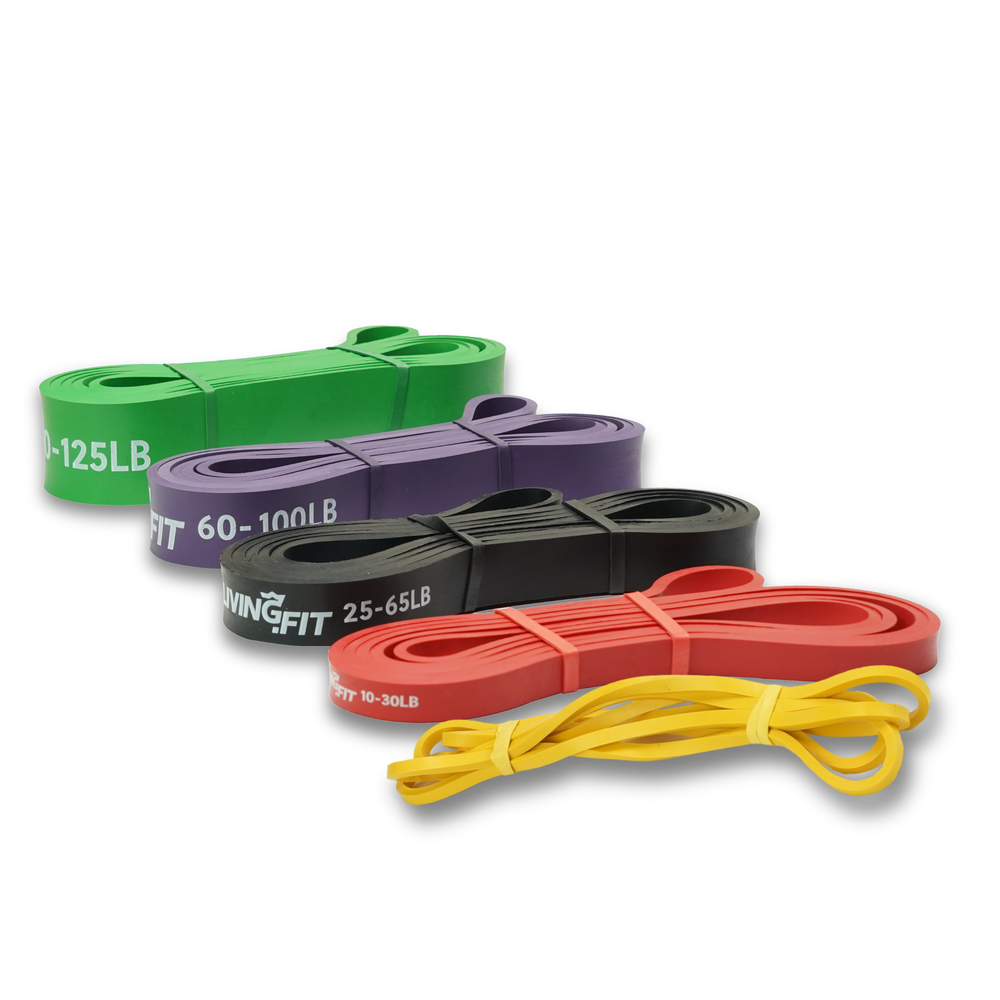
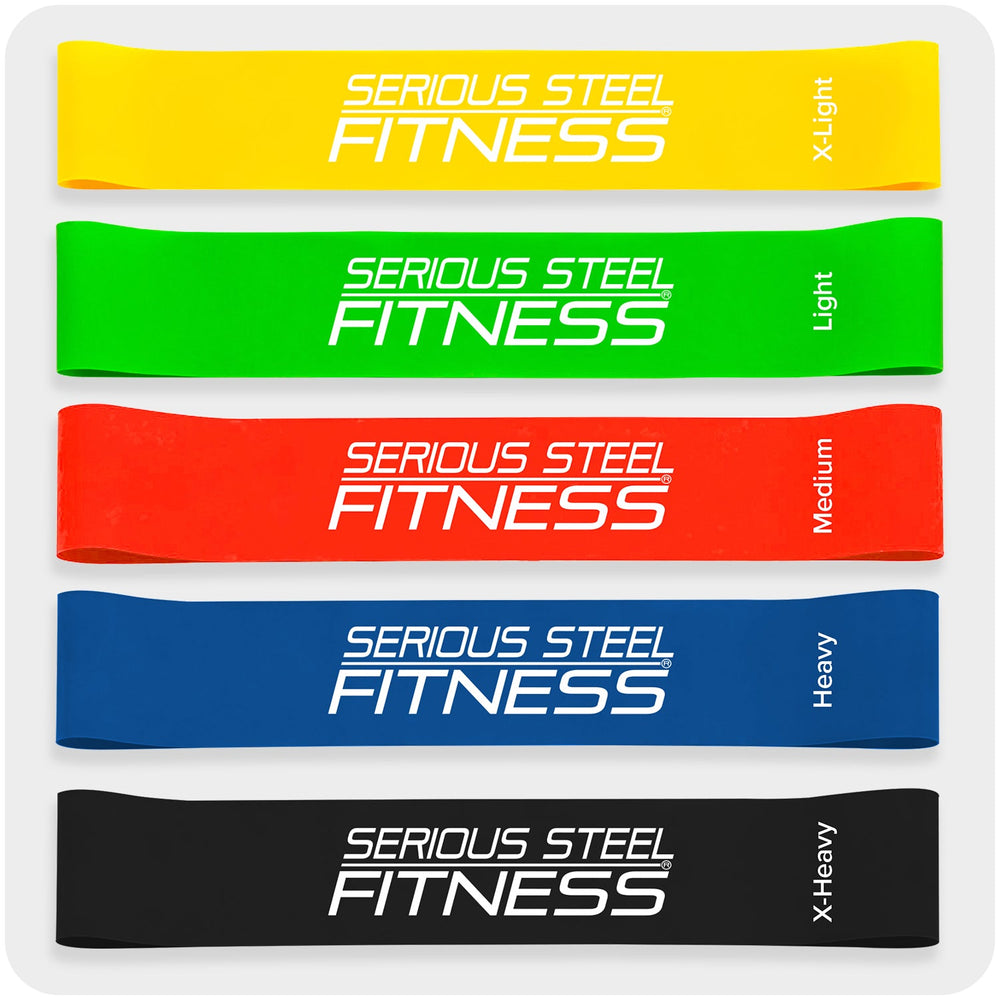
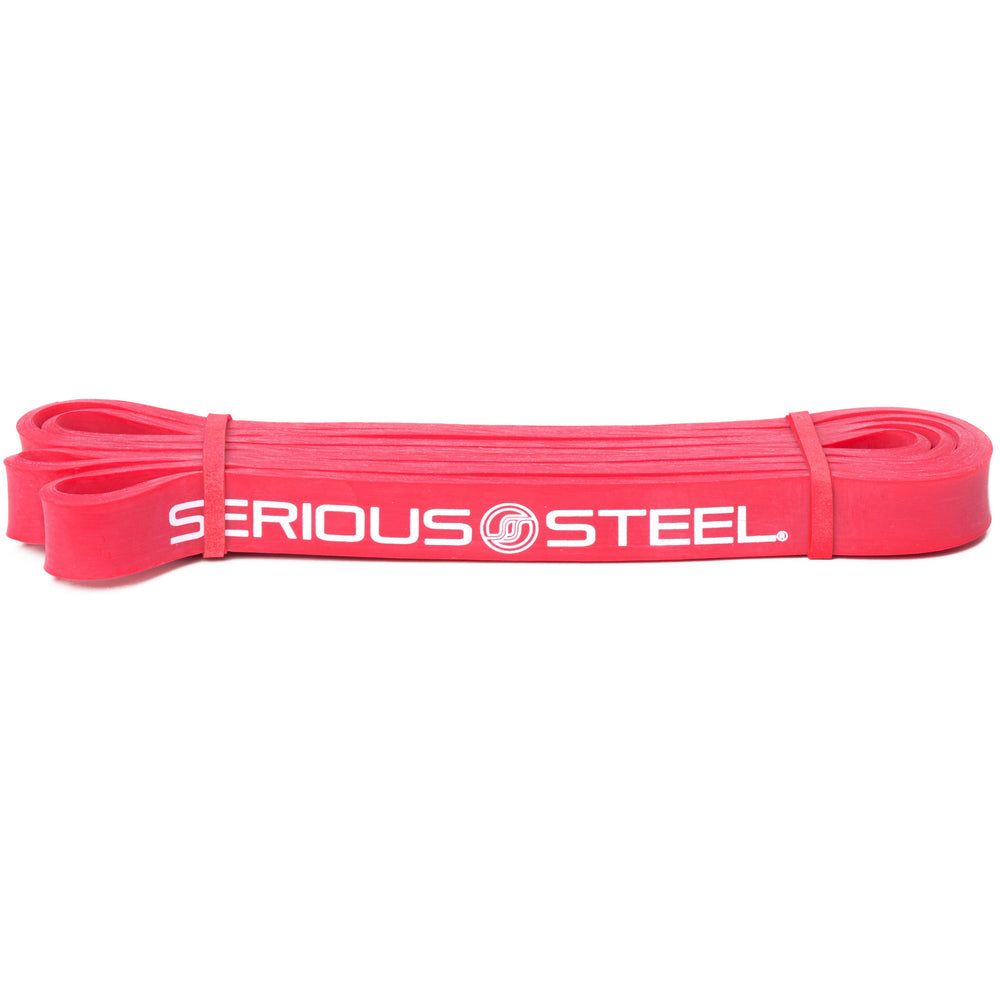
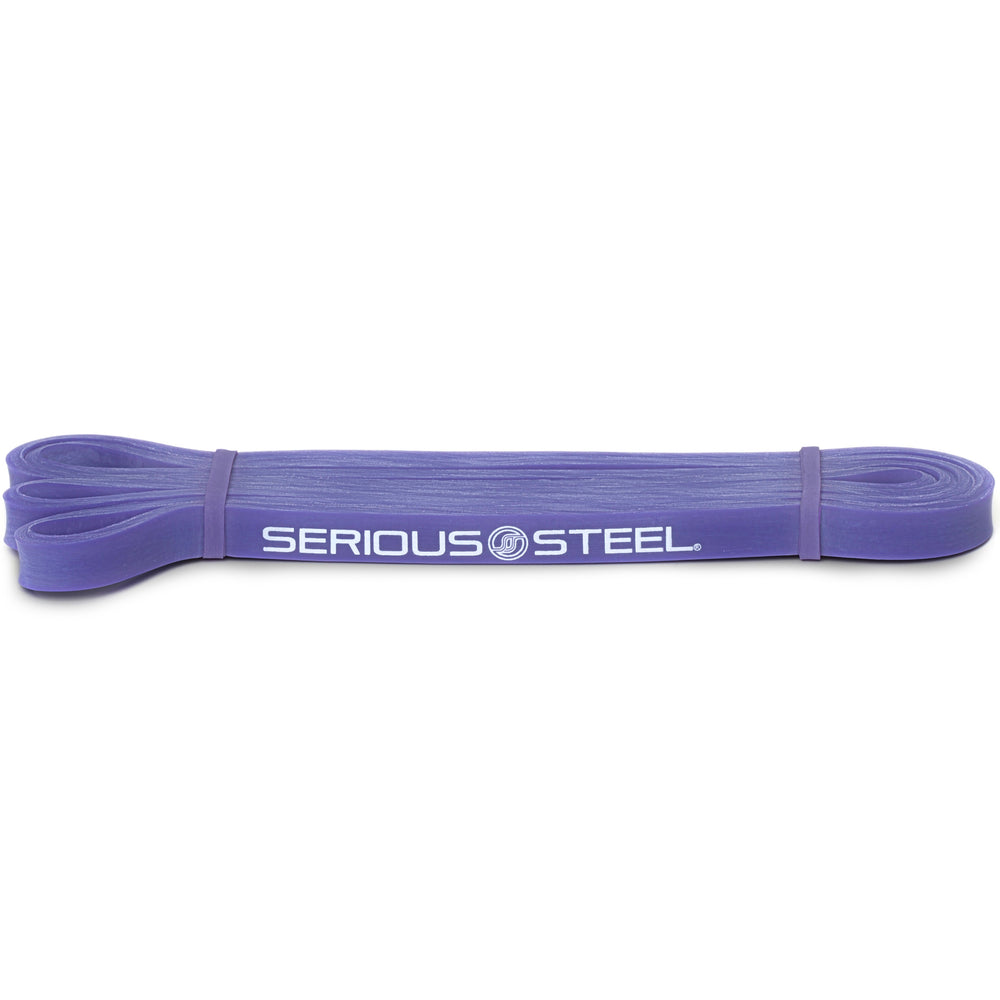
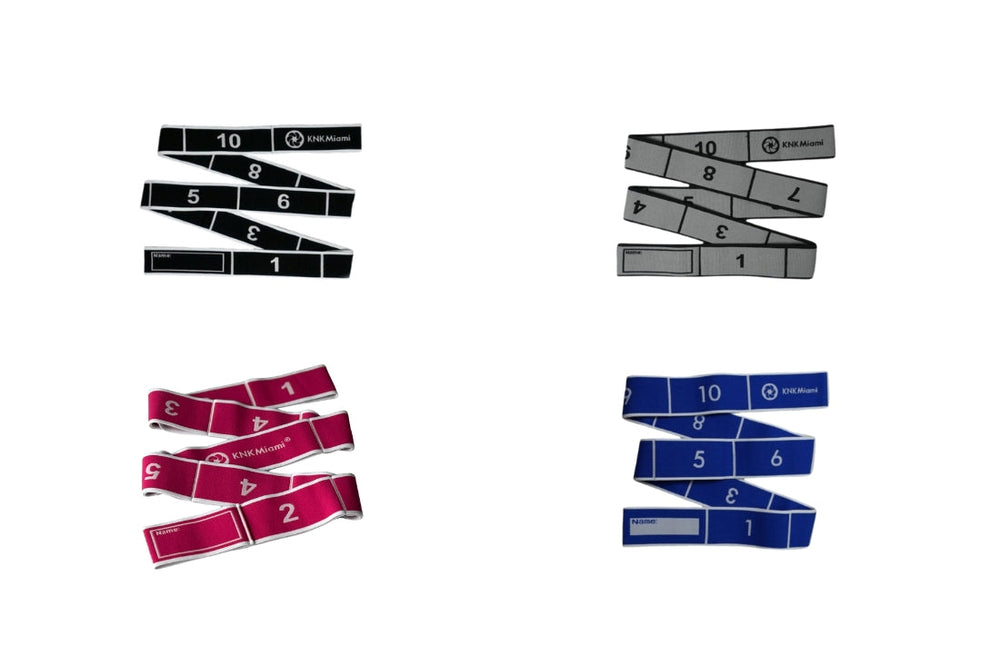
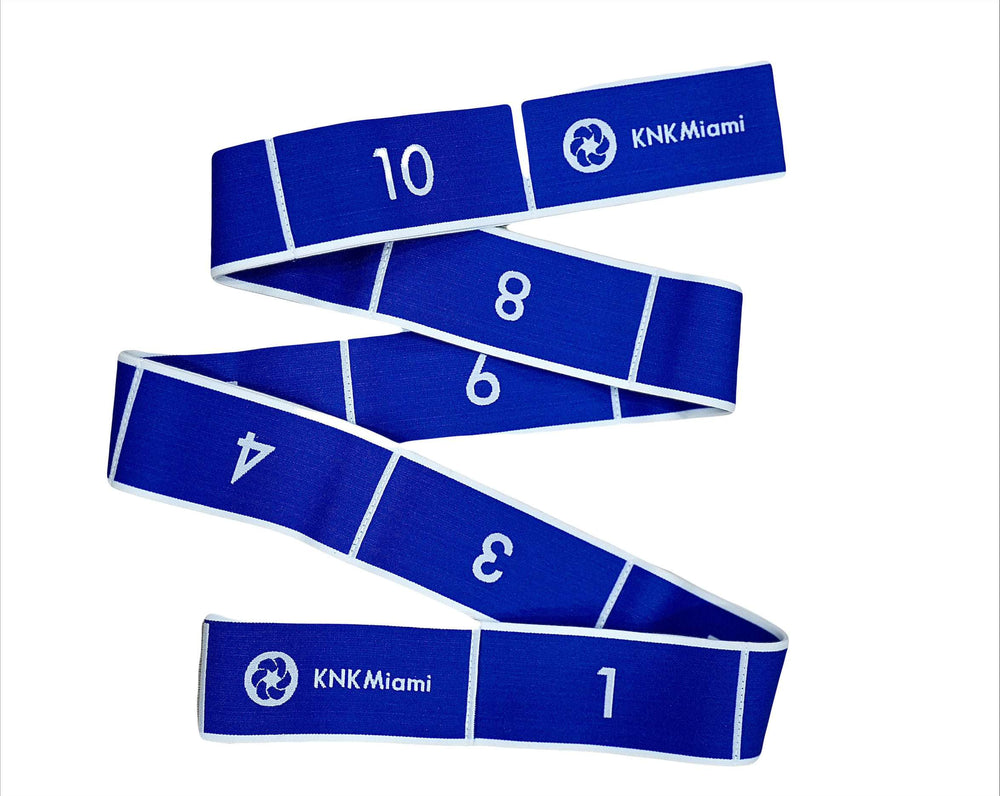
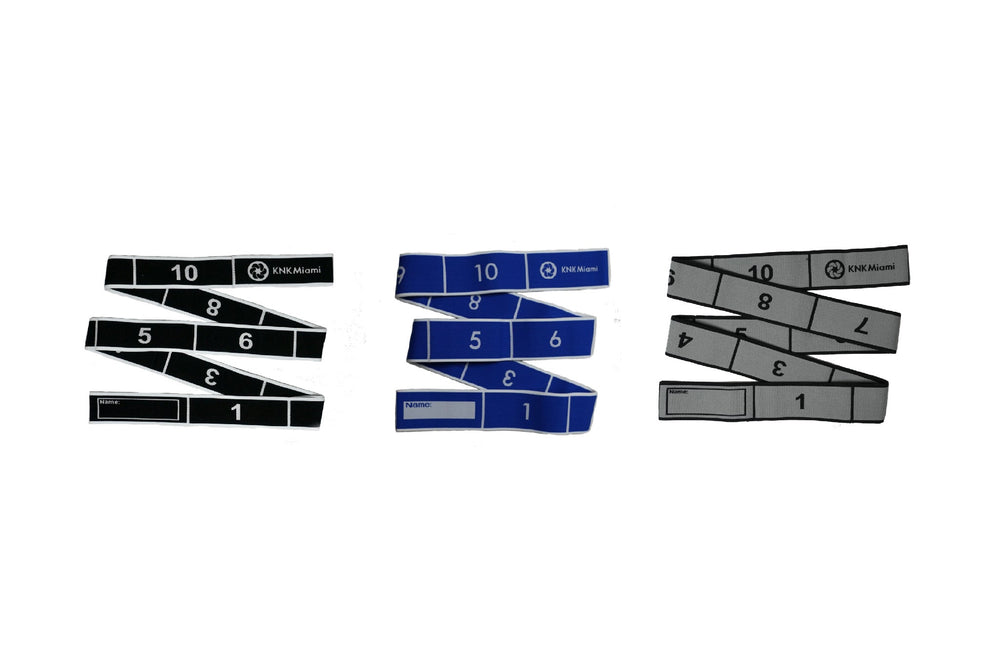
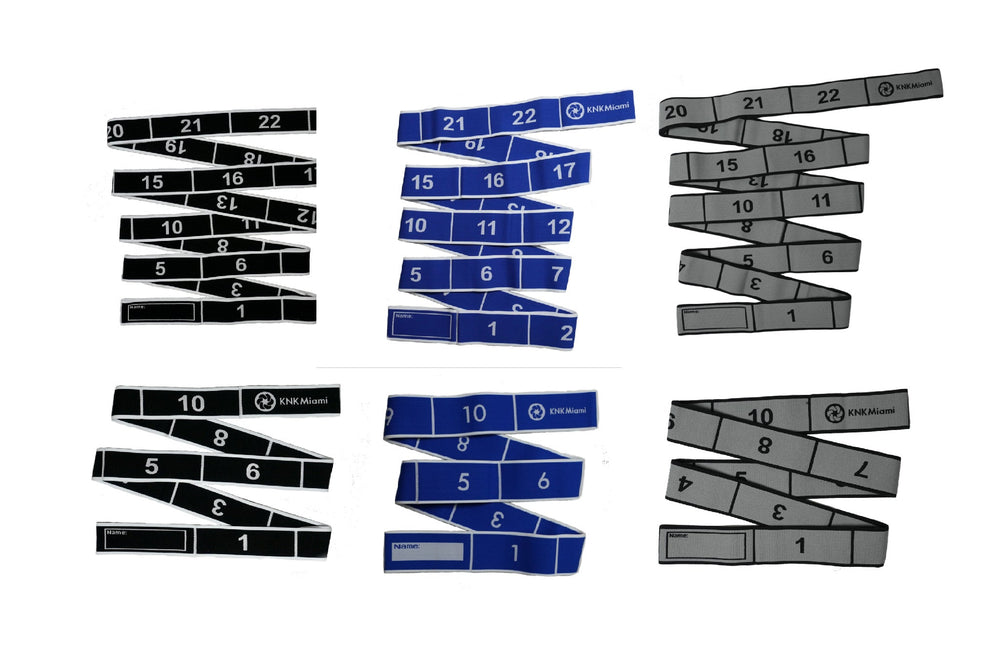
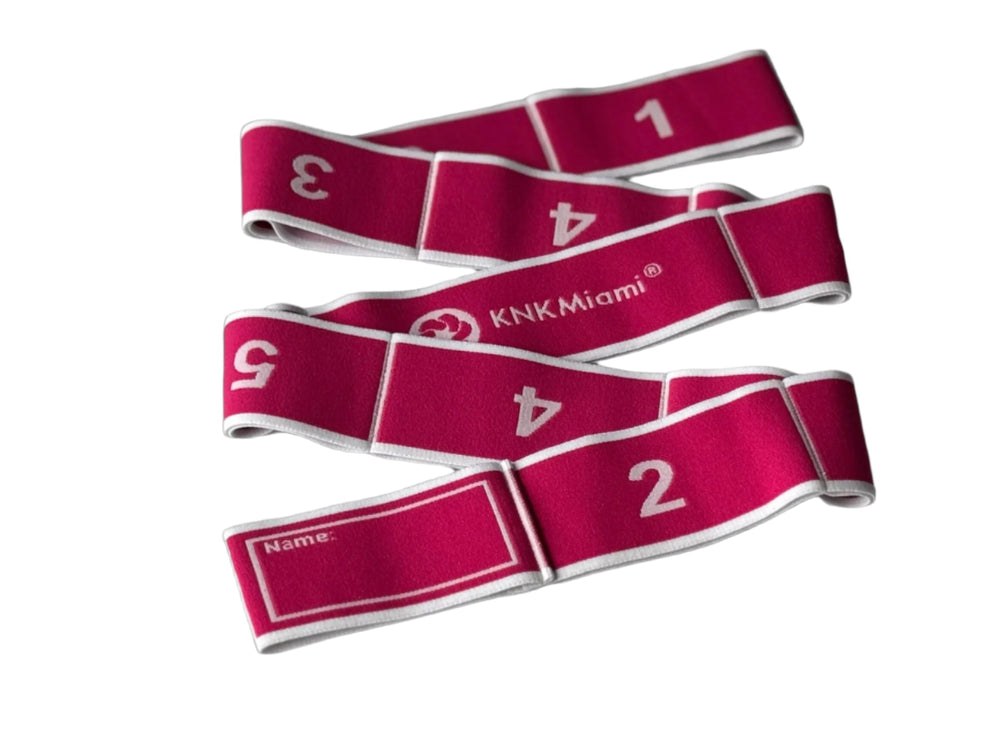

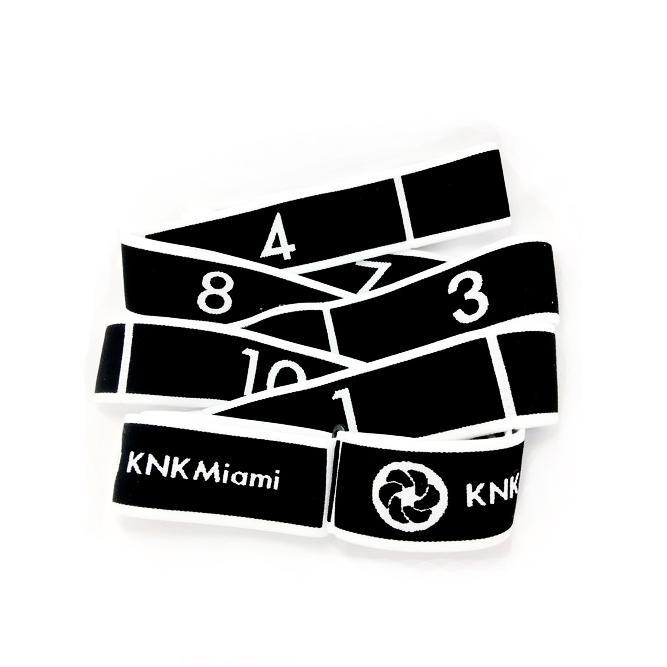
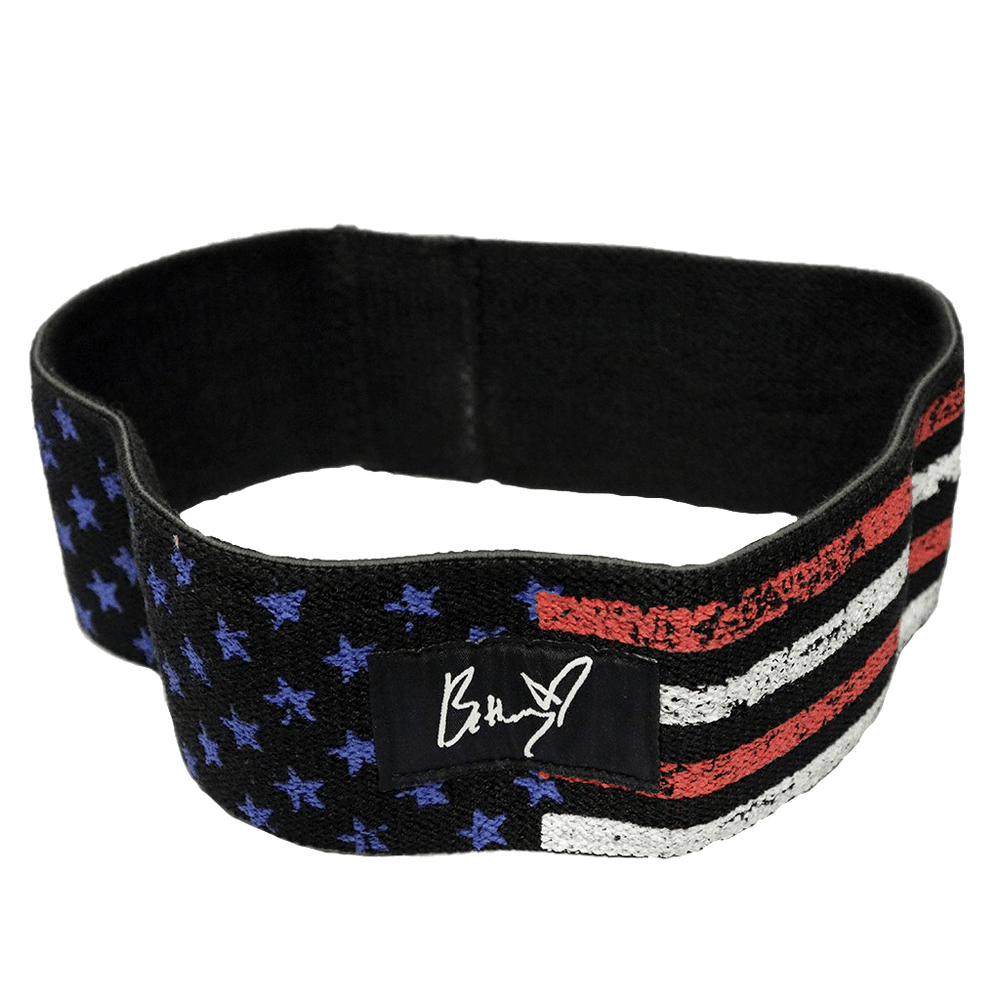
About resistance bands
Resistance bands from 20+ top fitness brands — including Living.Fit, Serious Steel, BC Strength, GoFit, SMAI, NouFlex, and more. Whether you're building strength, training glutes, working on pull-ups, or recovering from injury, we carry the right band for the job.
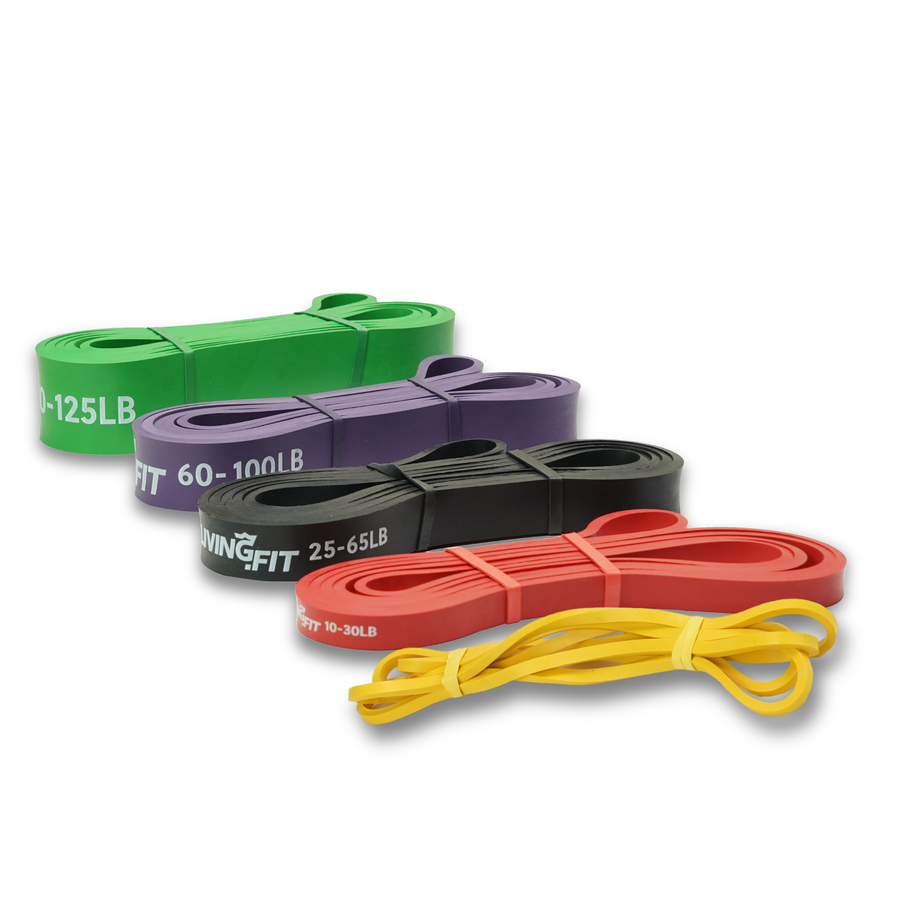
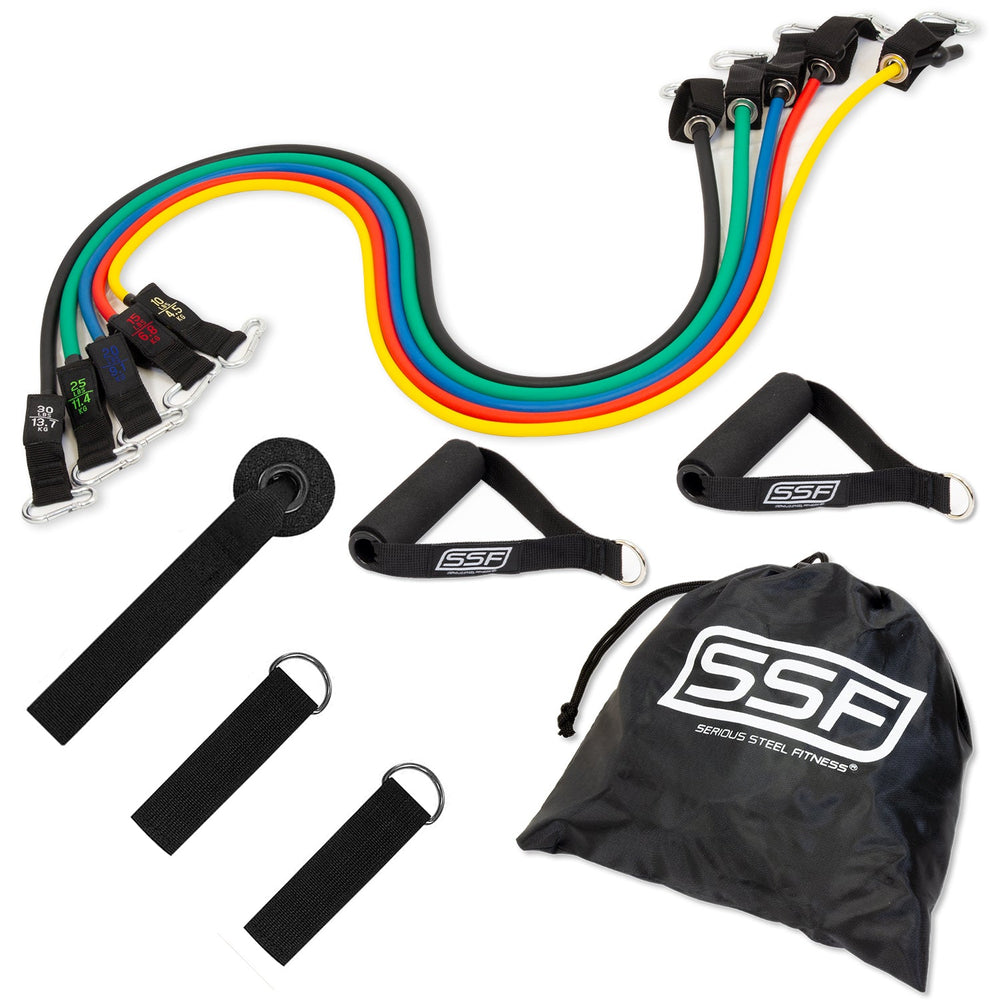
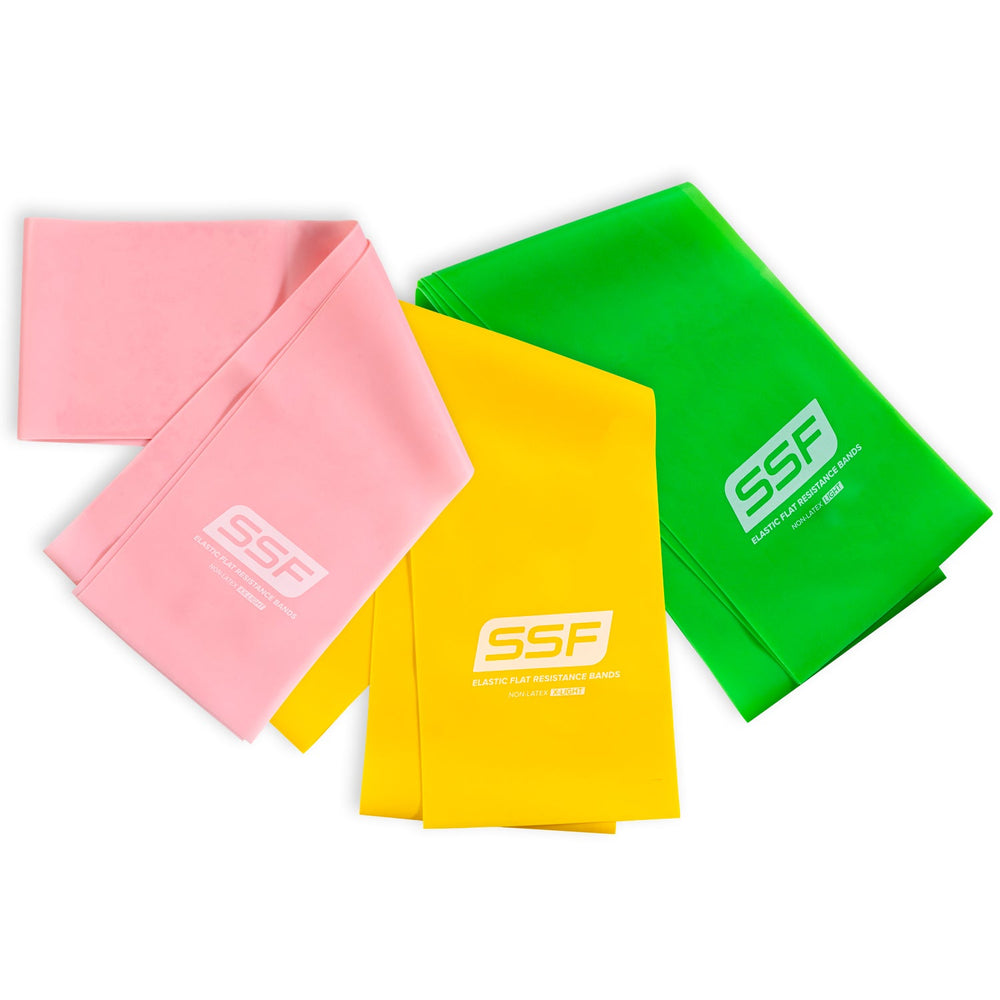
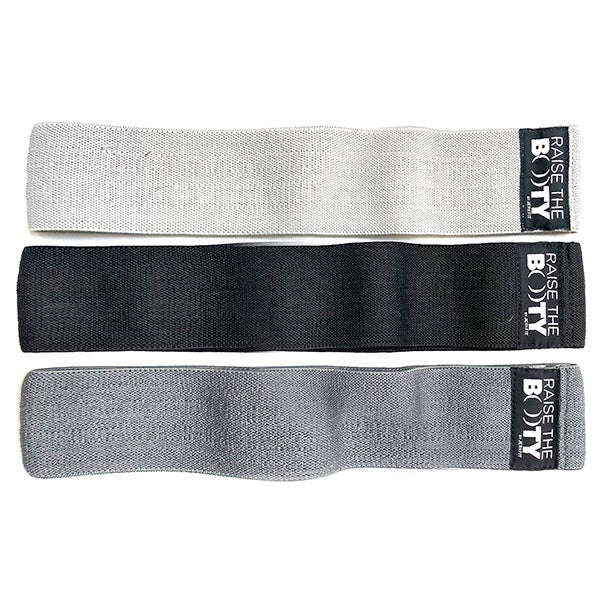
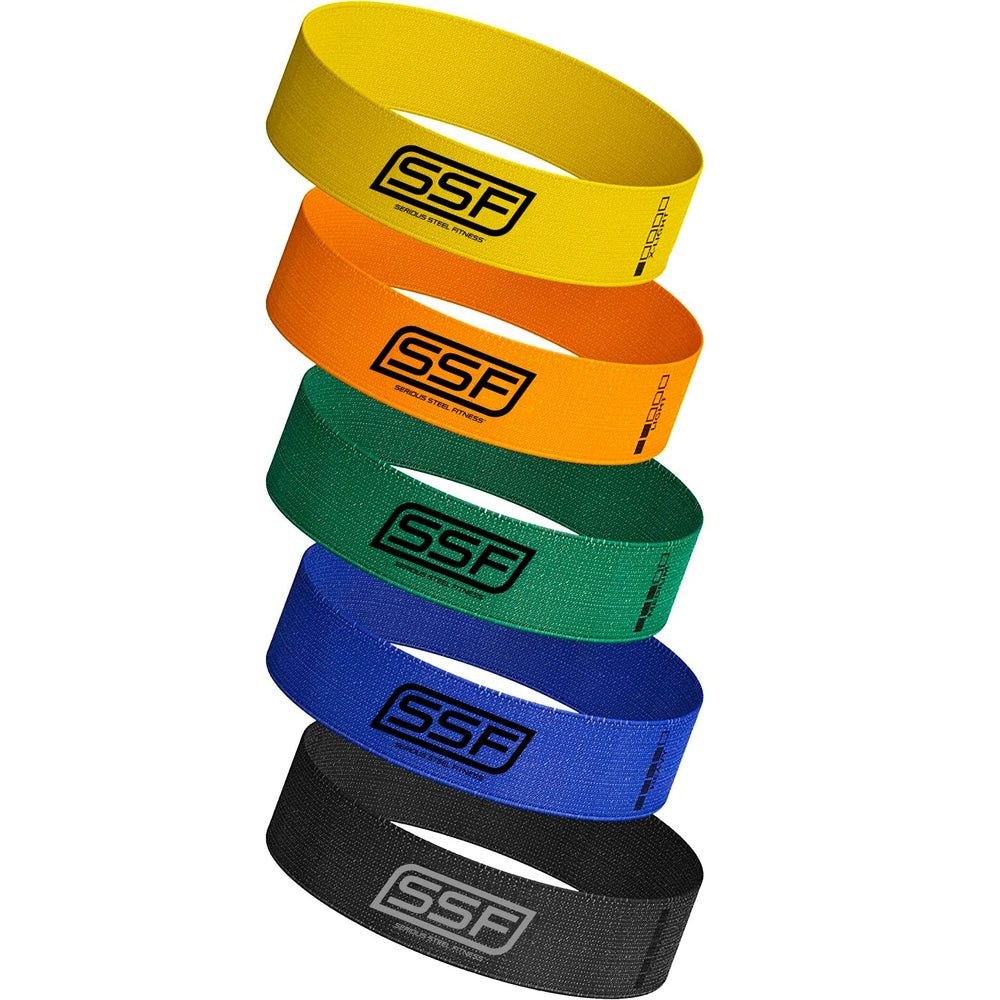
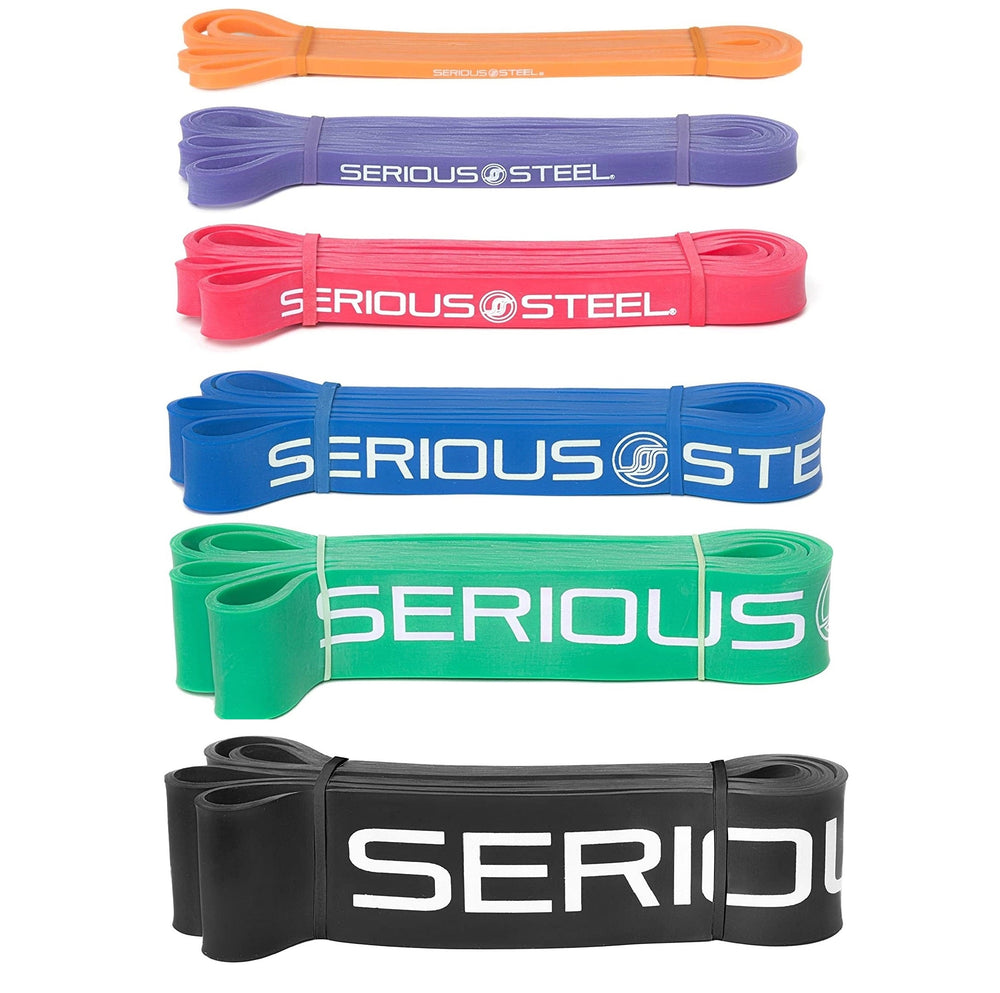
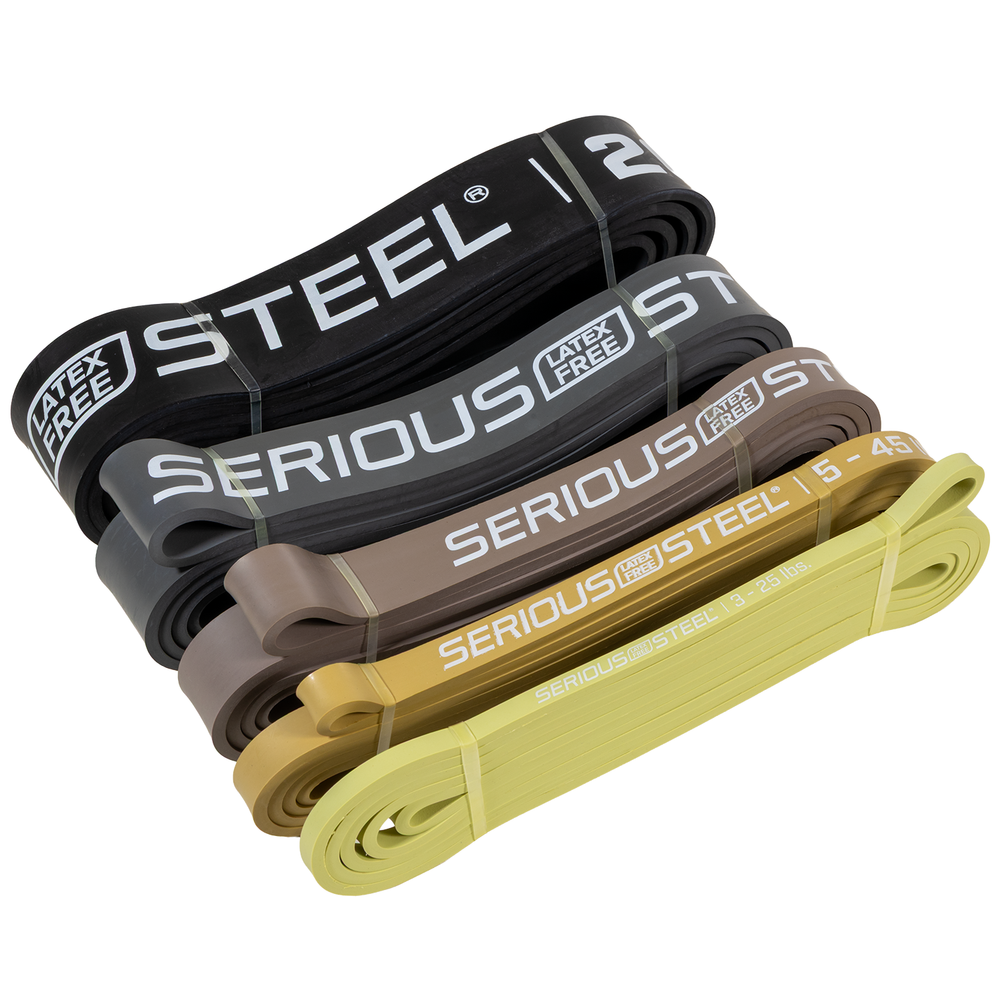
Our curated collection covers every type — super bands for pull-up assistance and heavy strength work, booty bands for glute activation, mini loops for mobility and warm-ups, tube bands with handles for full-body training, and therapy bands for rehab. Sets, individual bands, and pro-grade options across all resistance levels (5 lb to 250+ lb).
Why bands? They're portable, joint-friendly, and effective. Whether you train at home, travel often, or want a low-impact strength tool that scales with you, resistance bands deliver progressive resistance that builds real muscle without the equipment footprint or joint stress of free weights.
Looking for guided training? Pair your bands with our Resistance Band Workouts collection or explore the Living.Fit Resistance Bands Blog for training tips and exercise guides.
Shop Resistance Bands by Type
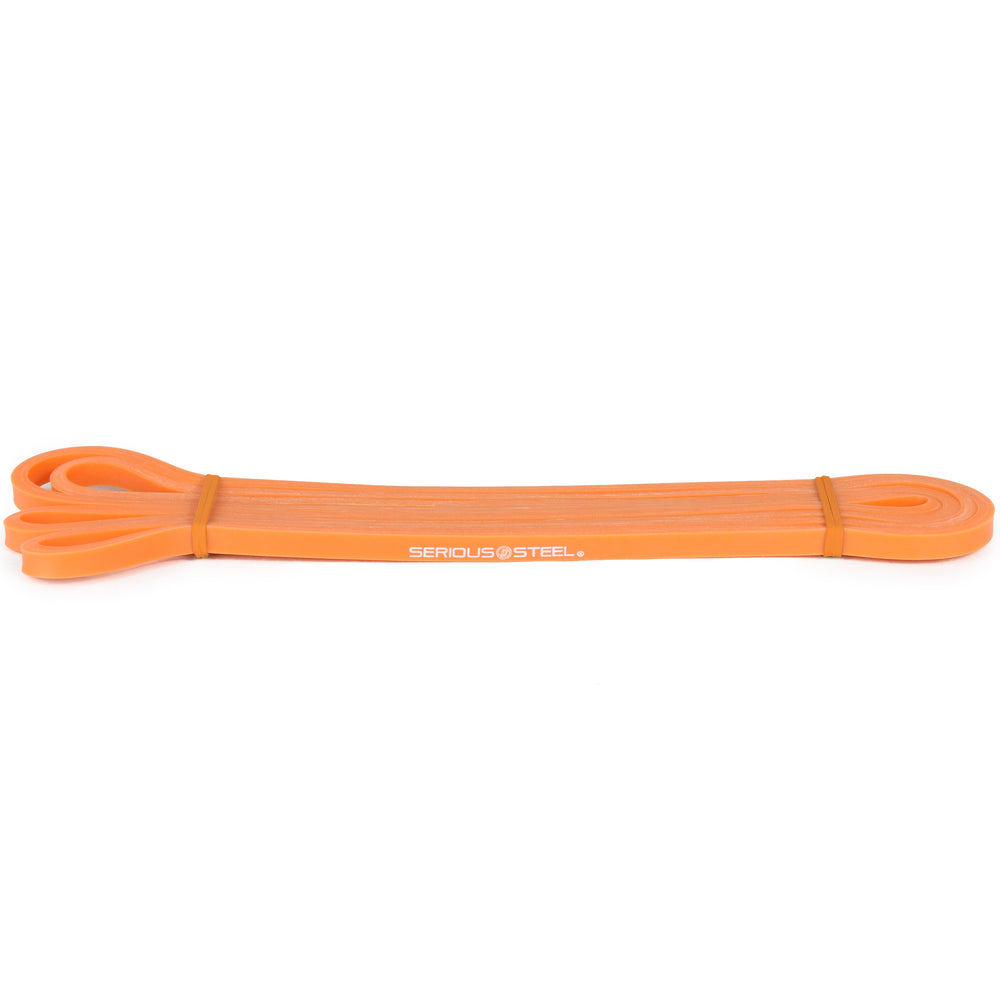
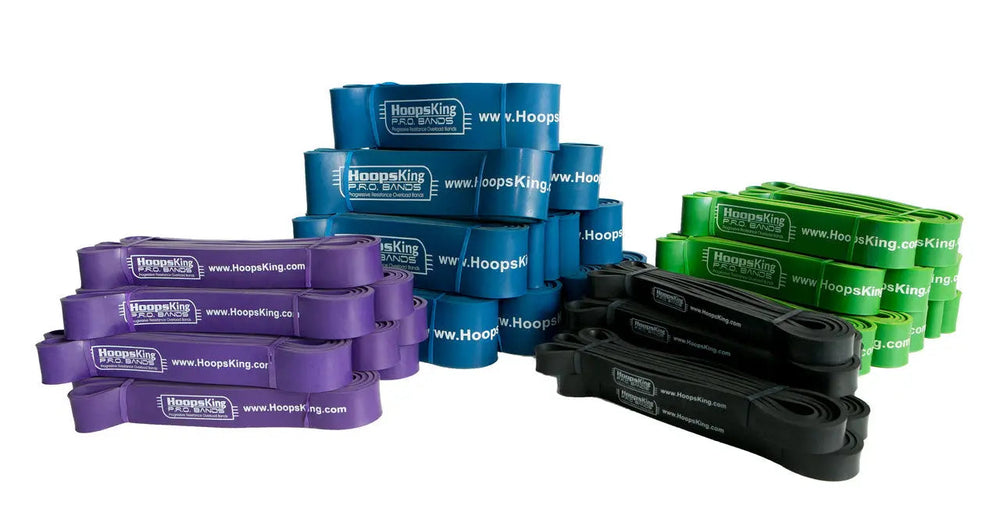
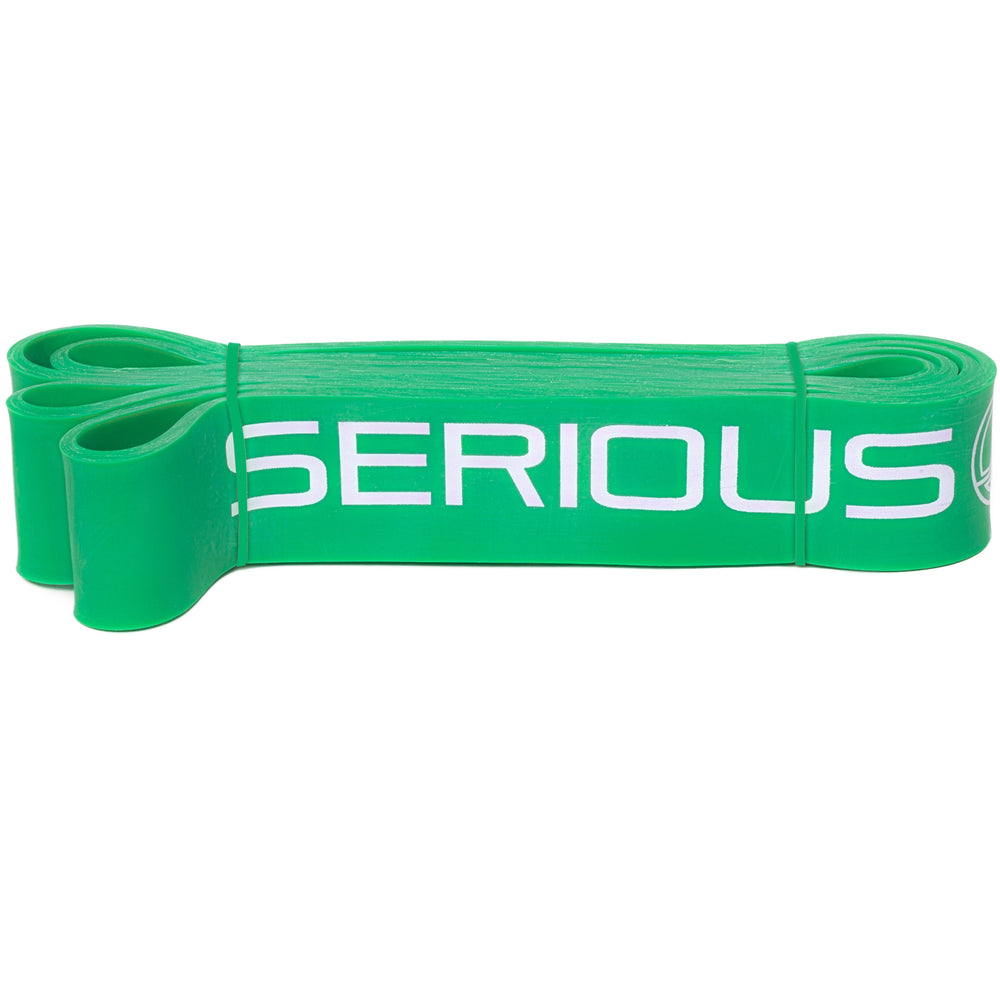
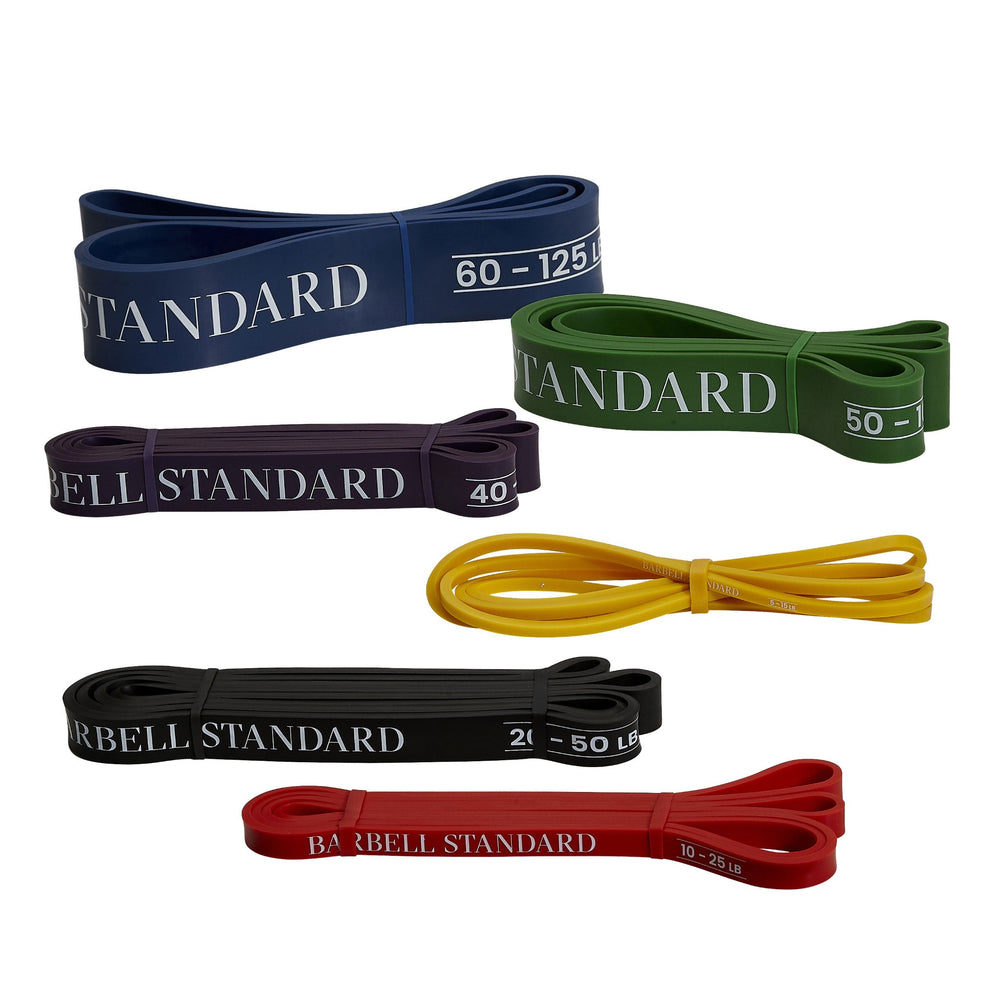
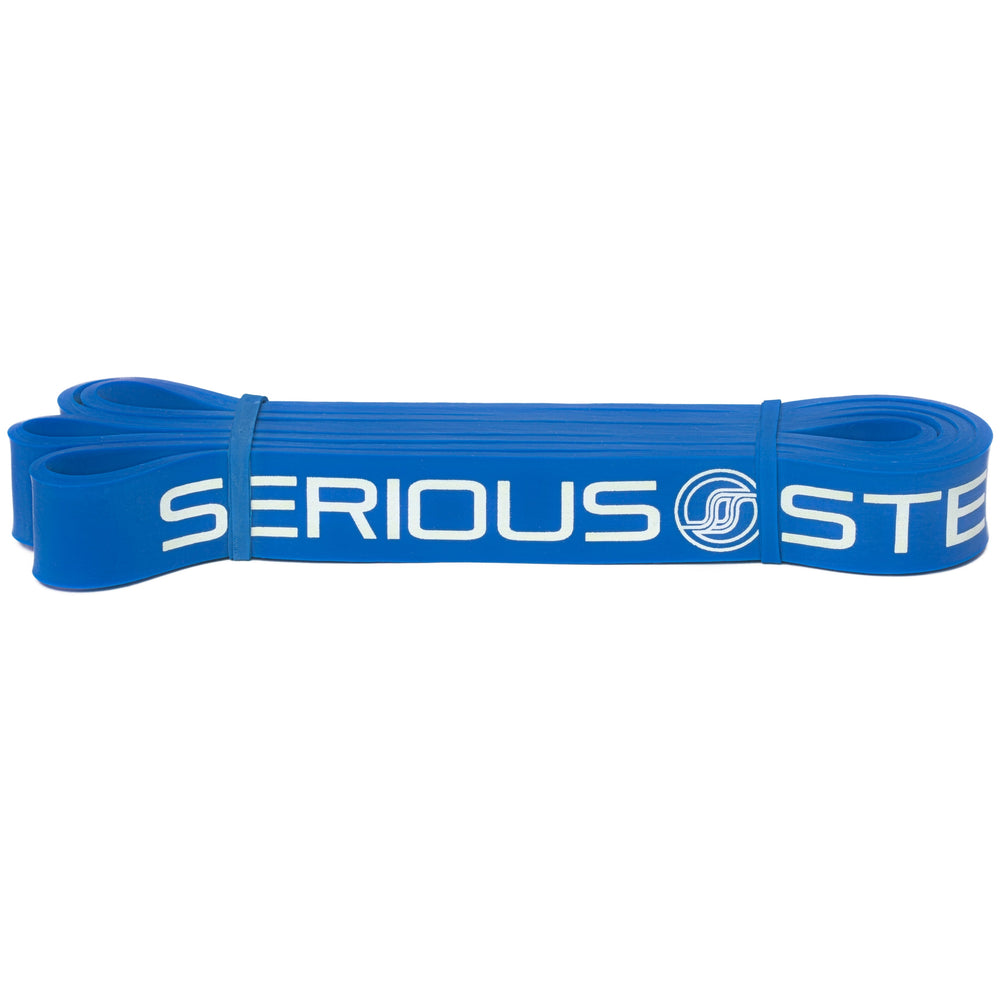
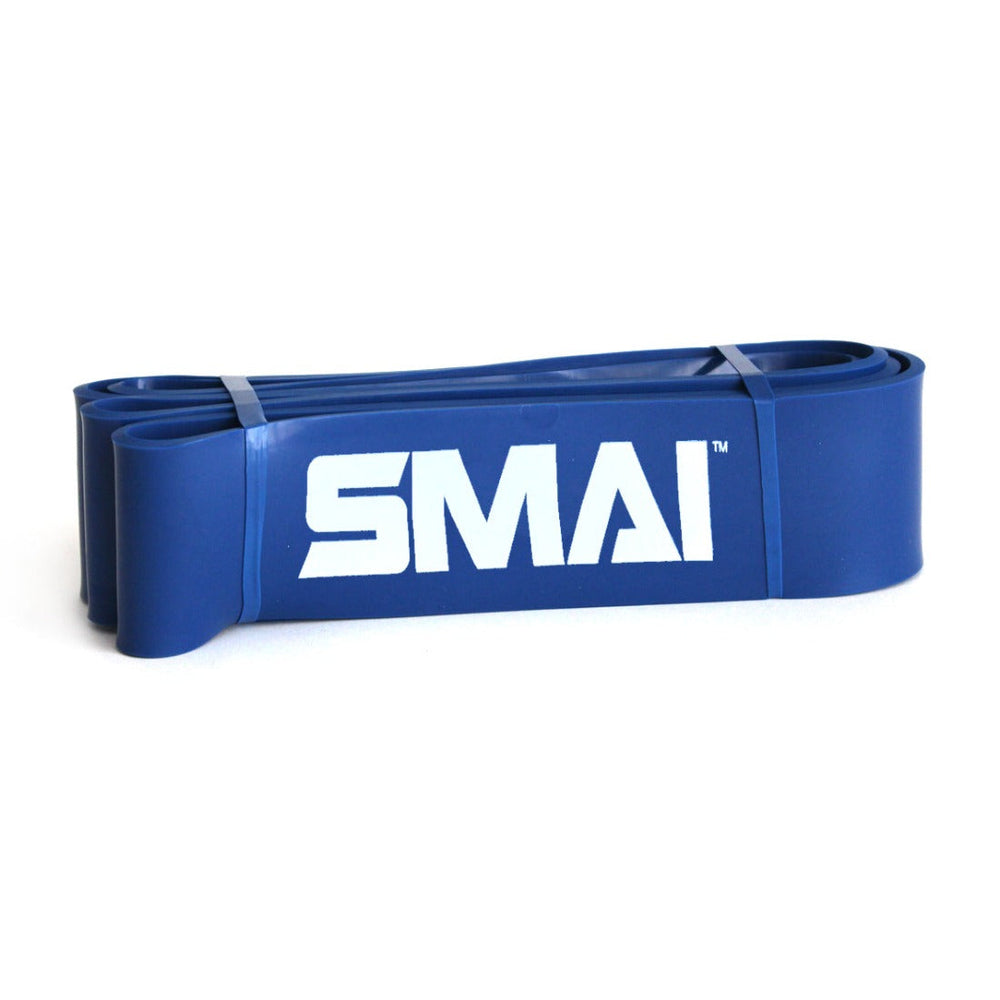
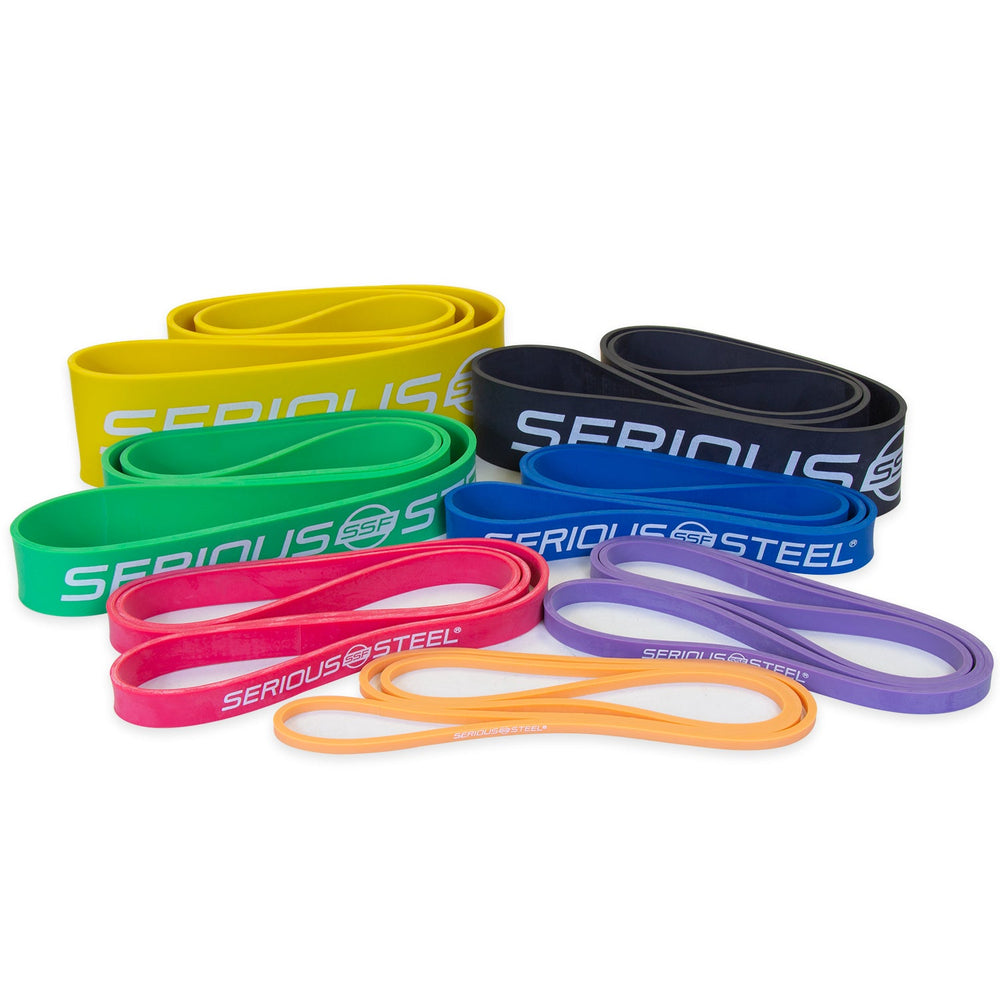
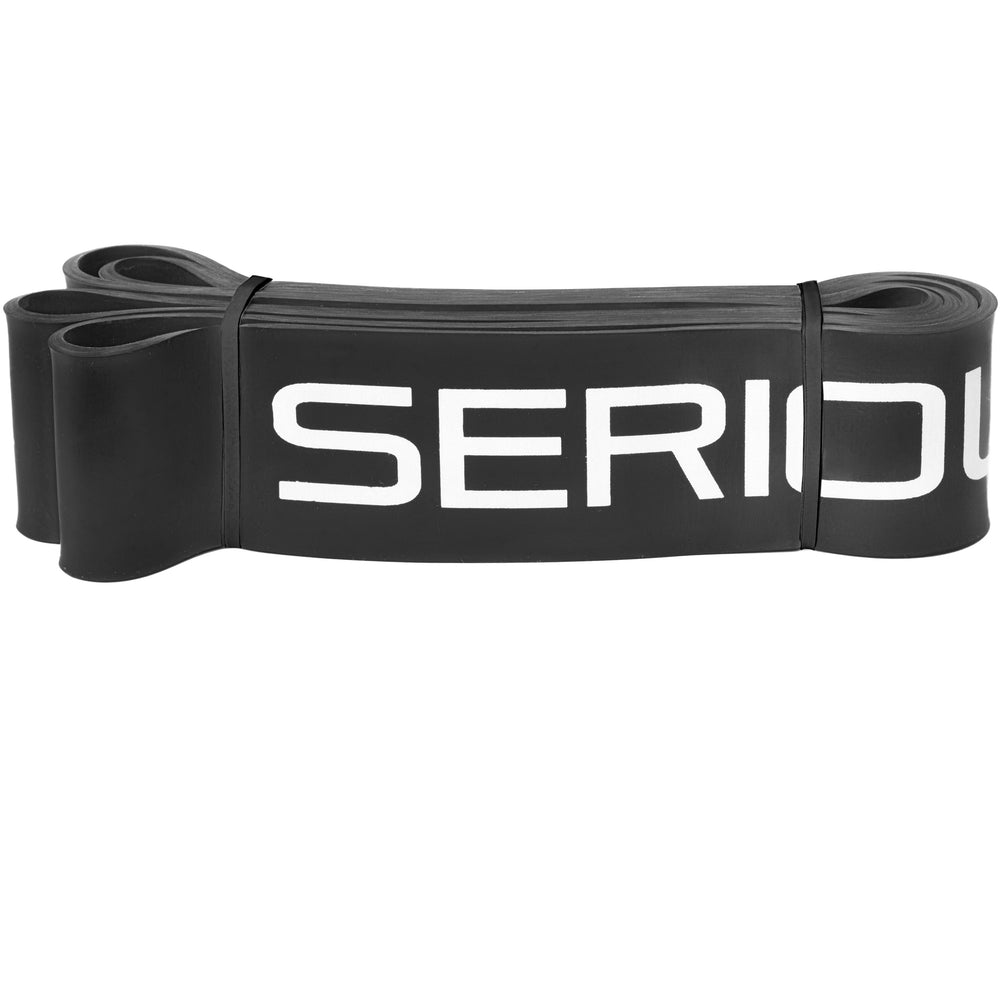
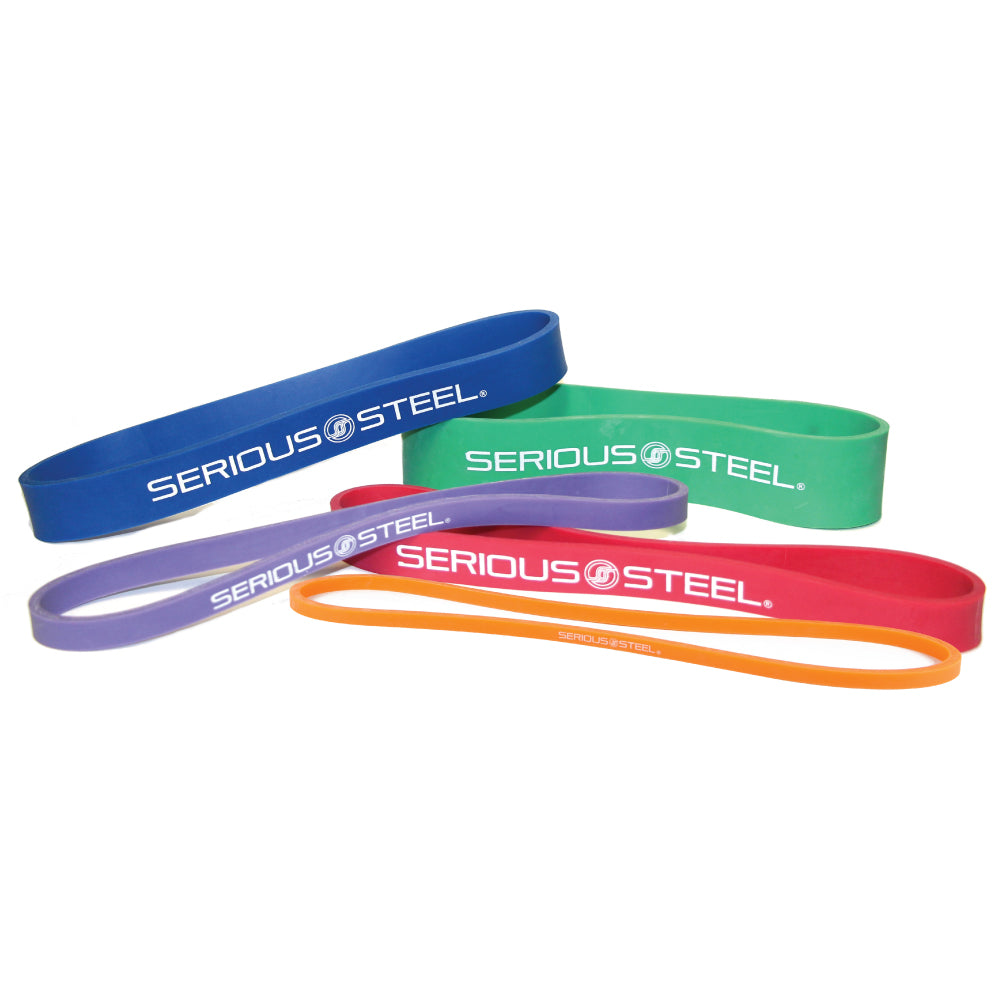
- Loop resistance bands — 41-inch power bands for strength training, pull-up assistance, and barbell work
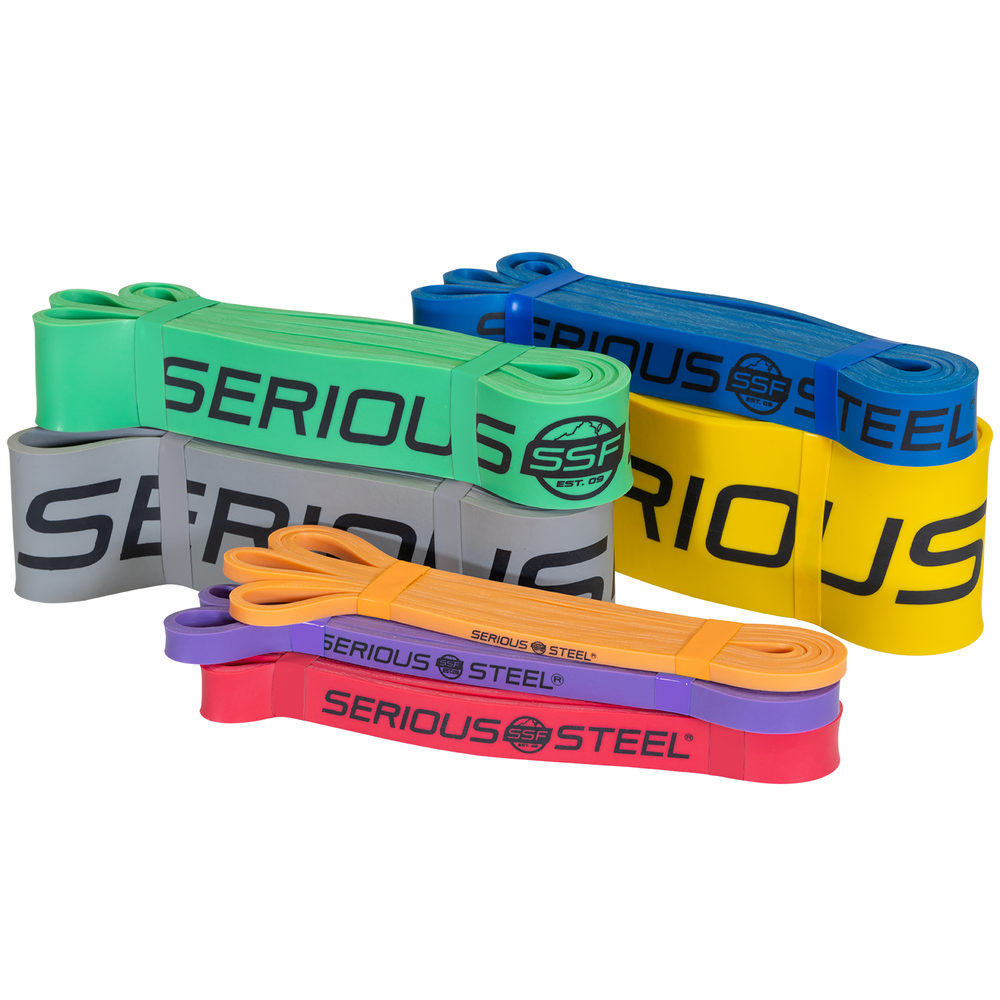
- Pull up bands — loop bands sized and selected specifically for pull-up assistance at every level
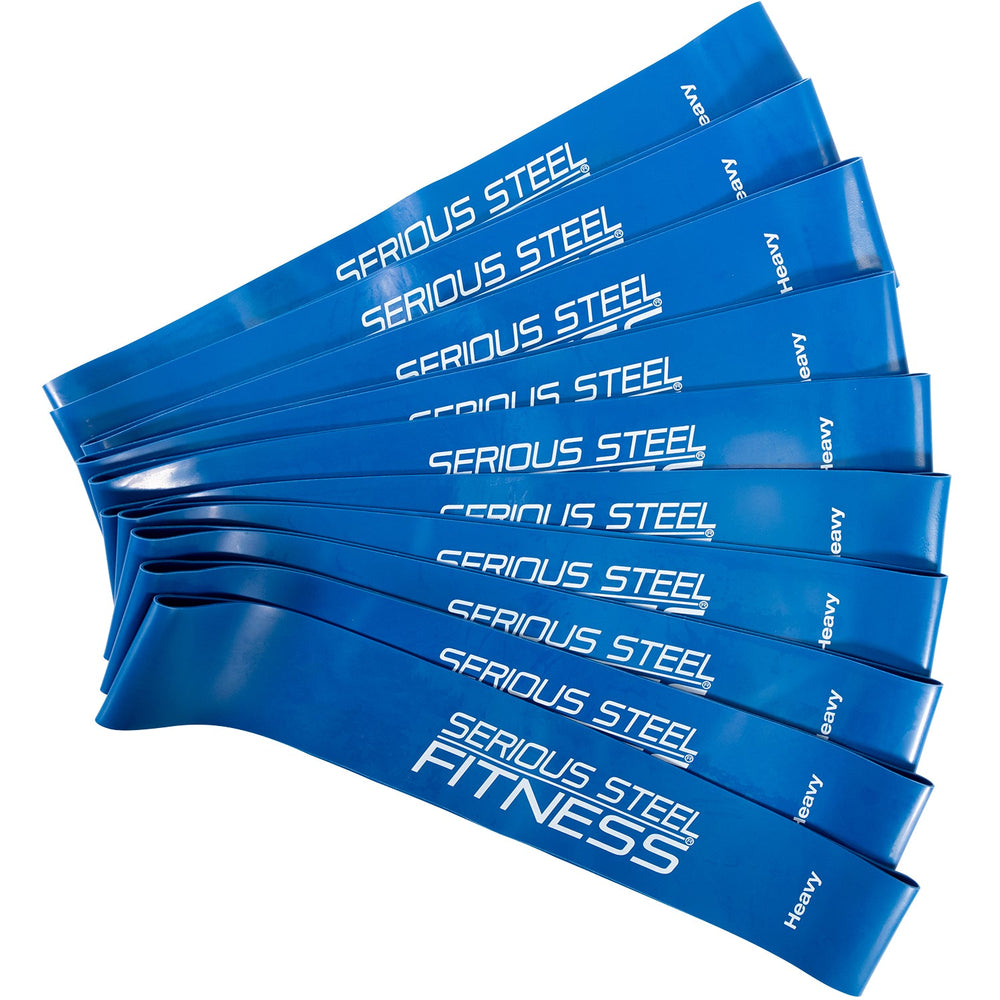
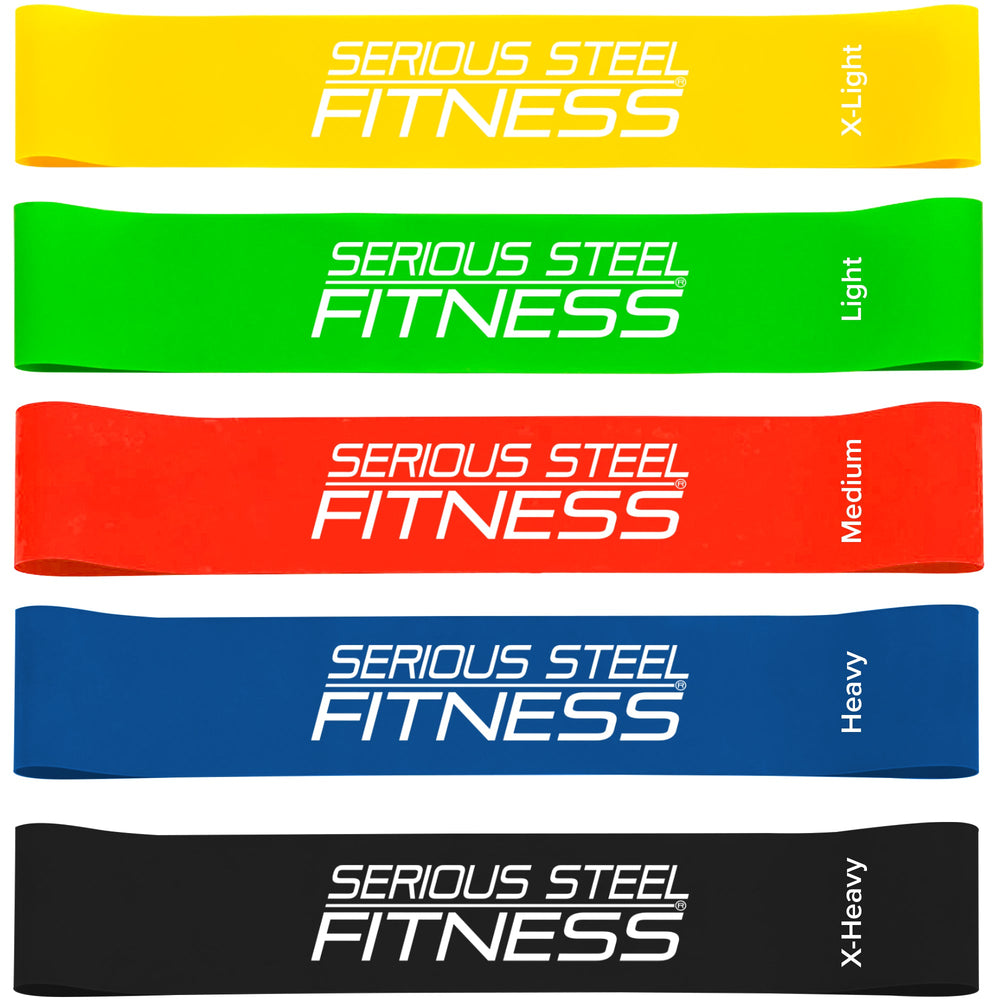
- Mini resistance bands — 12-inch loops for glute activation, lateral walks, and warm-up circuits
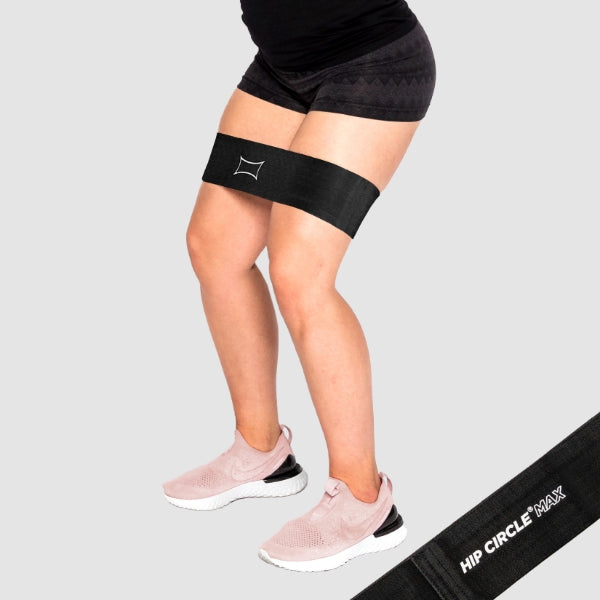
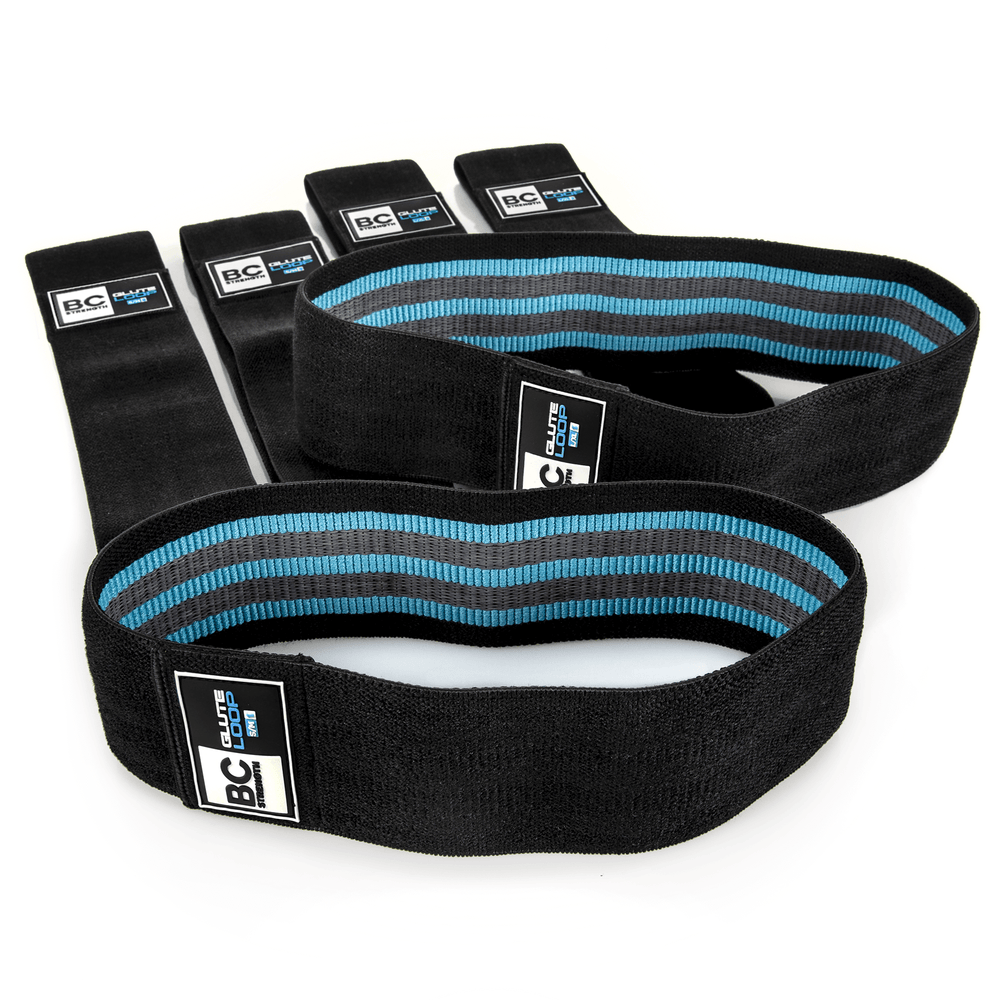
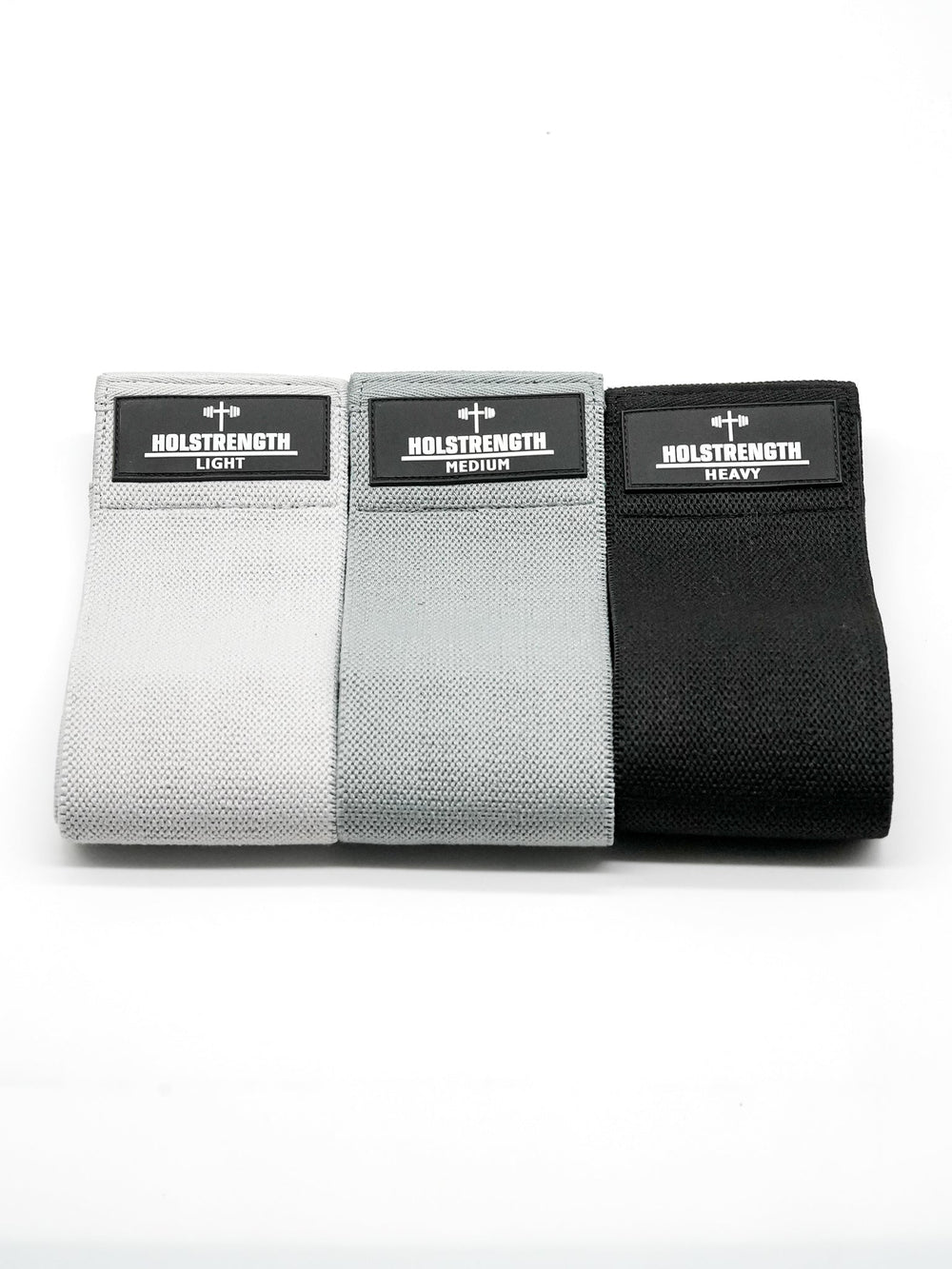
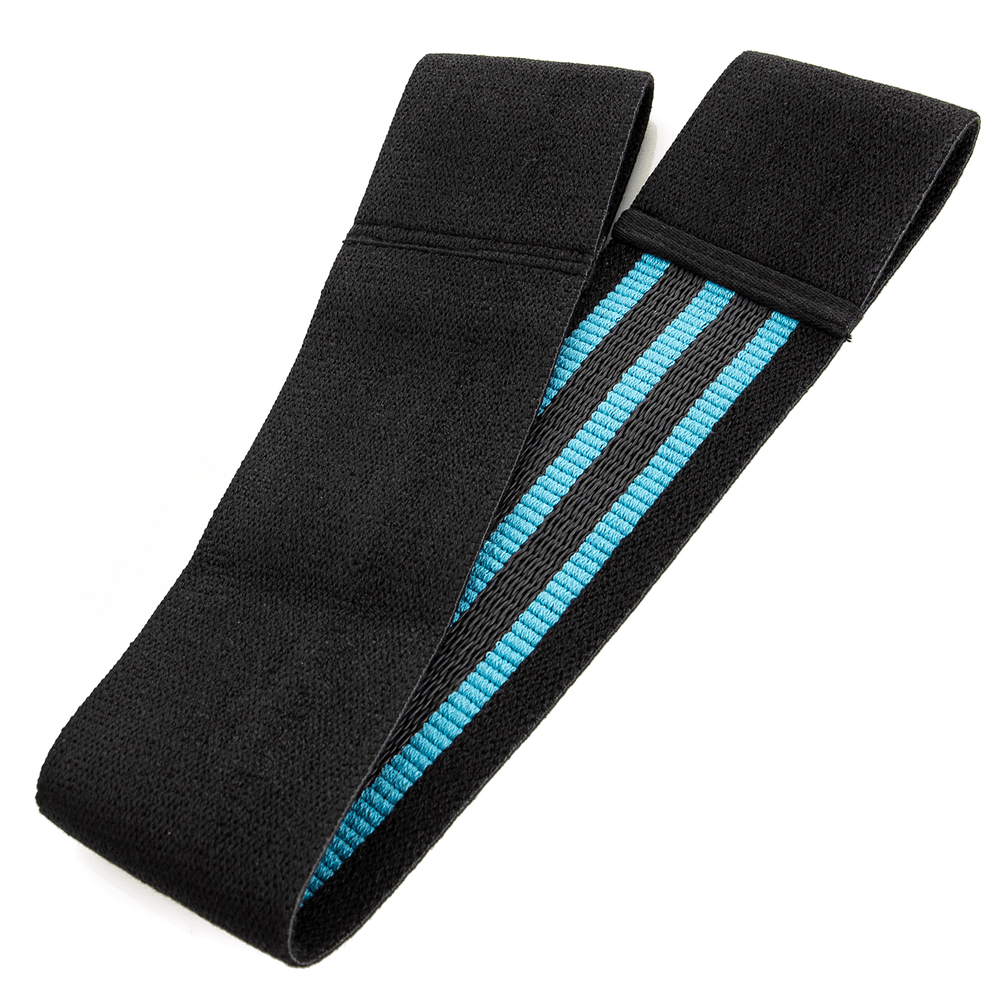
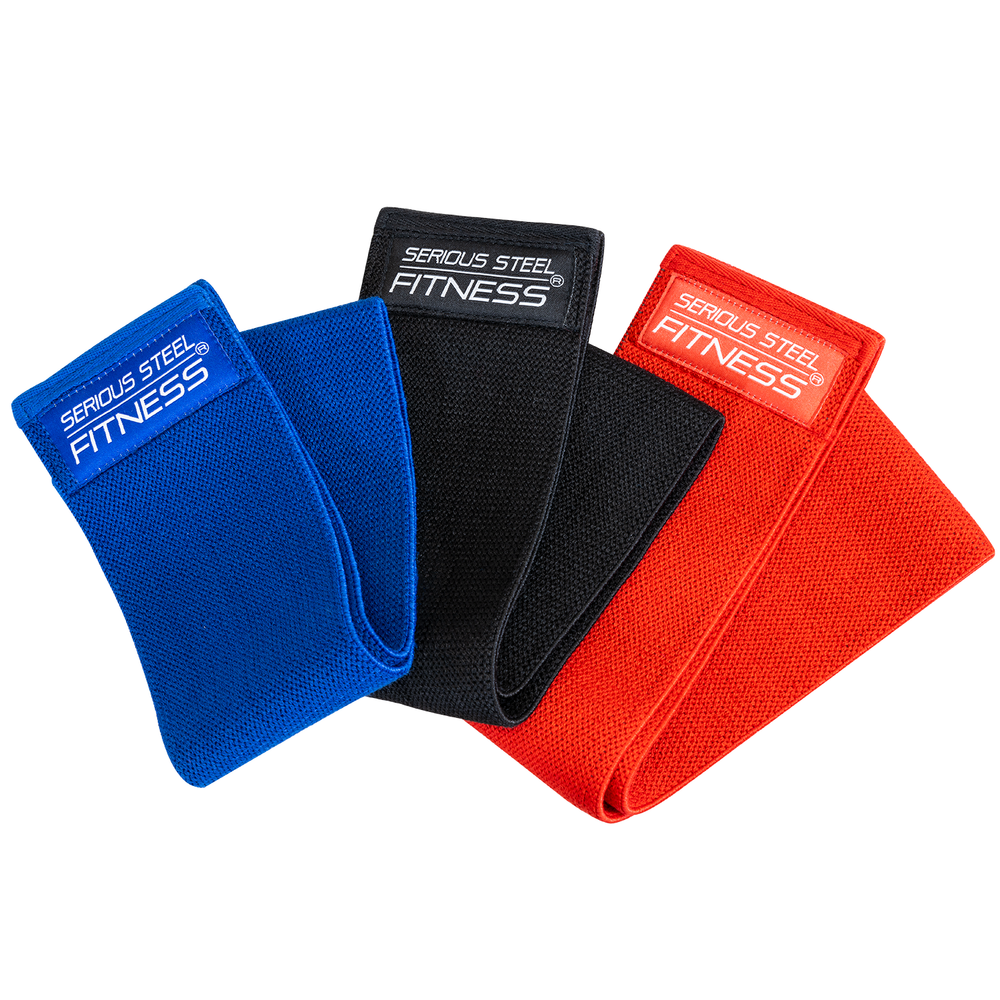
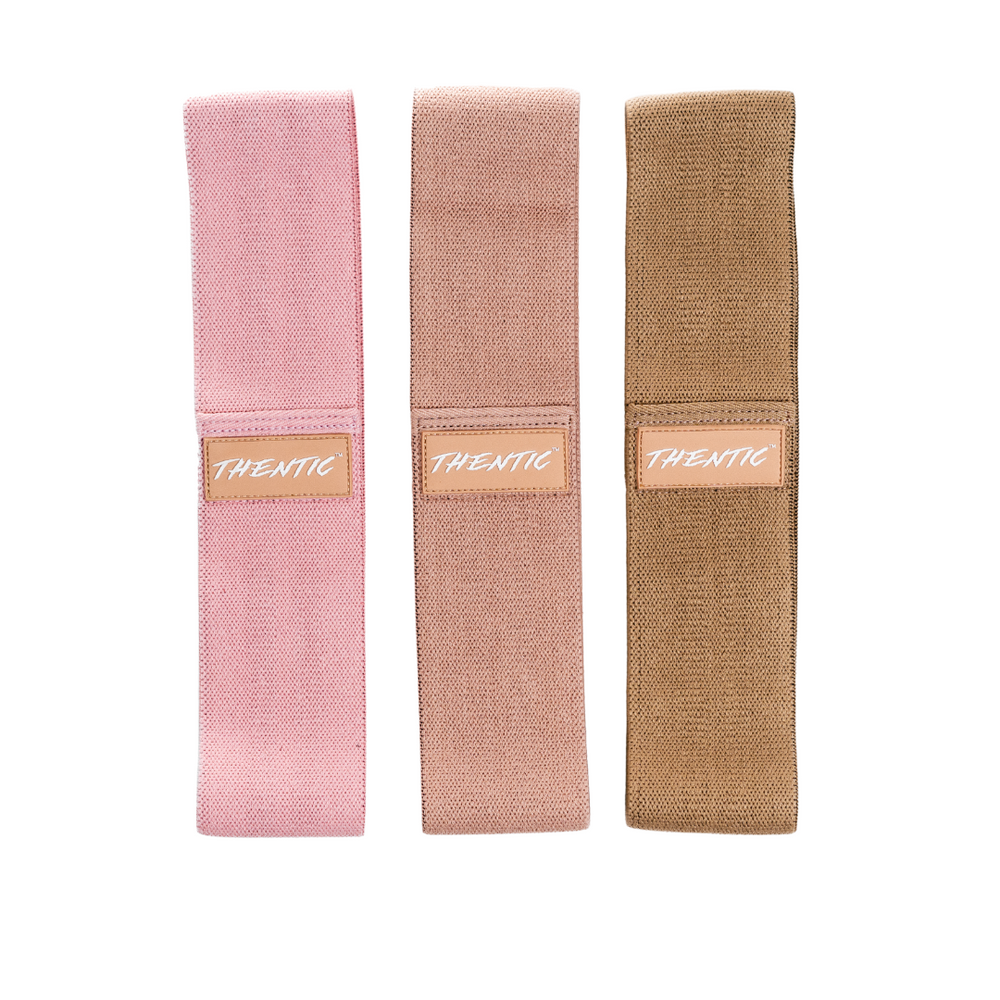
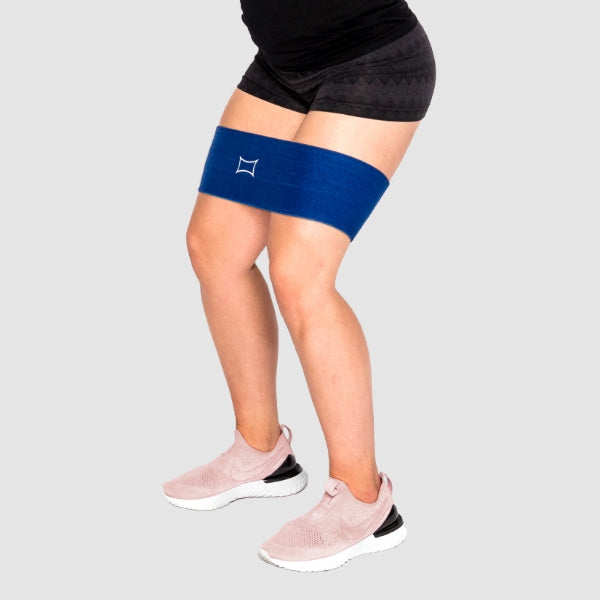
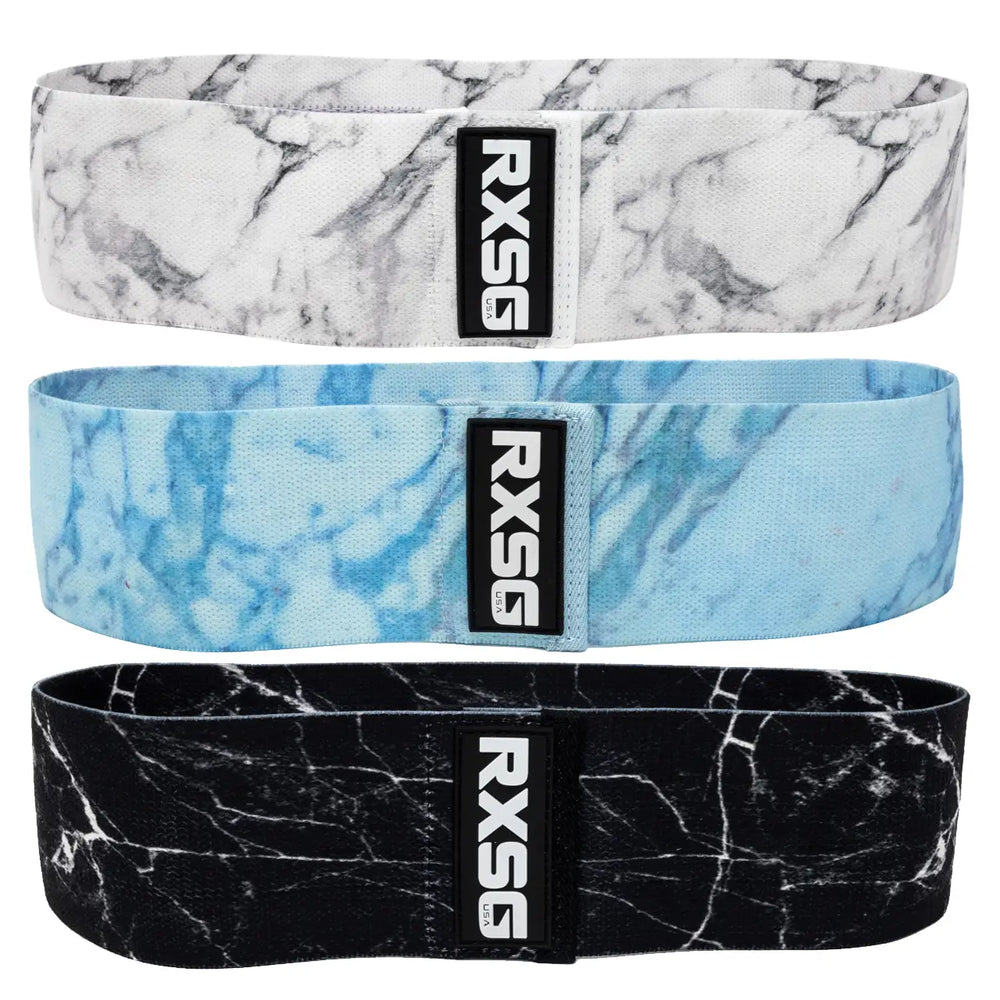
- Booty bands — wider fabric and latex bands that stay in place during hip thrusts and squats
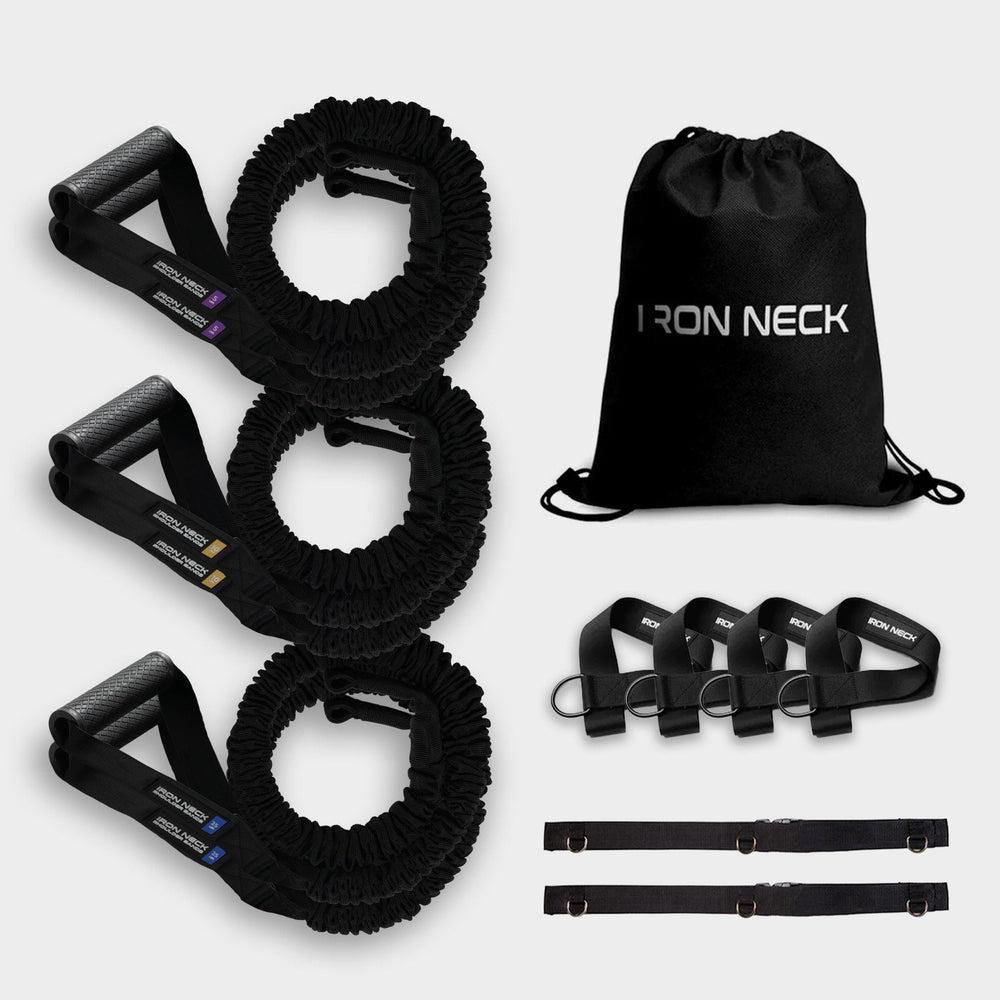
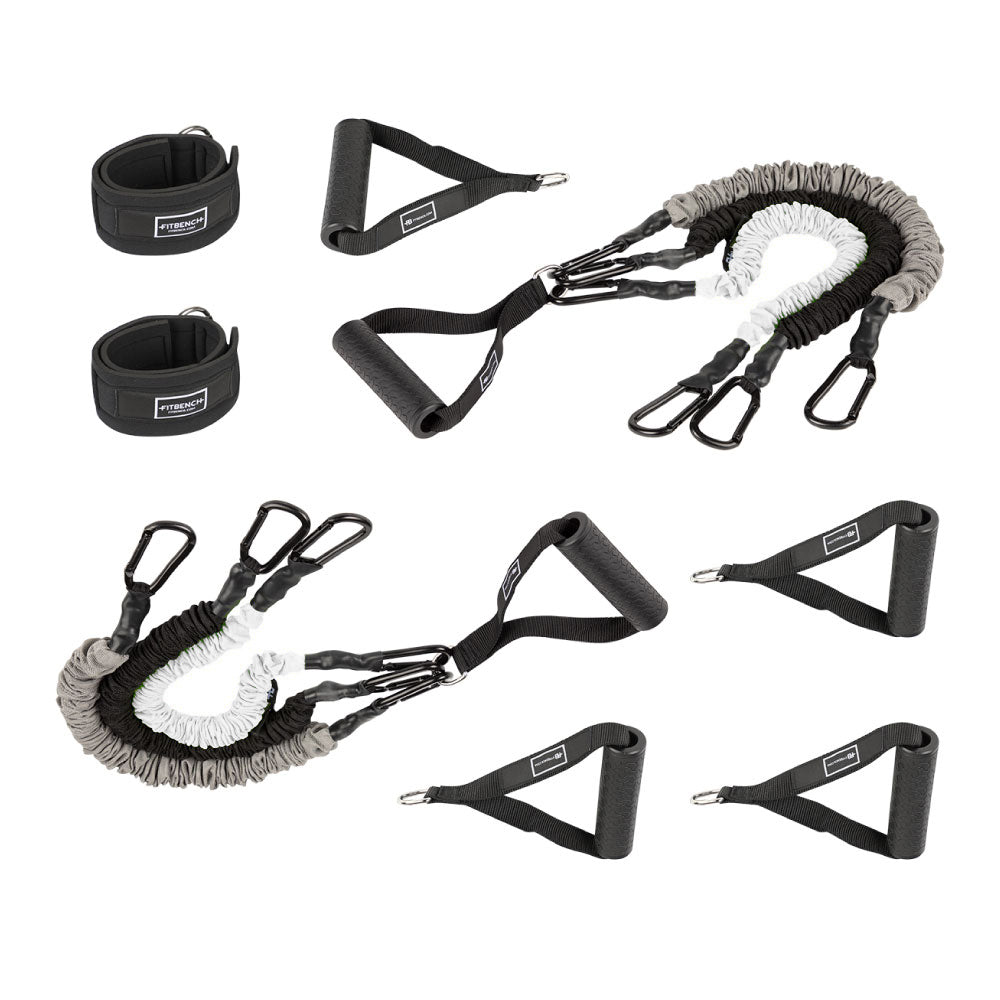
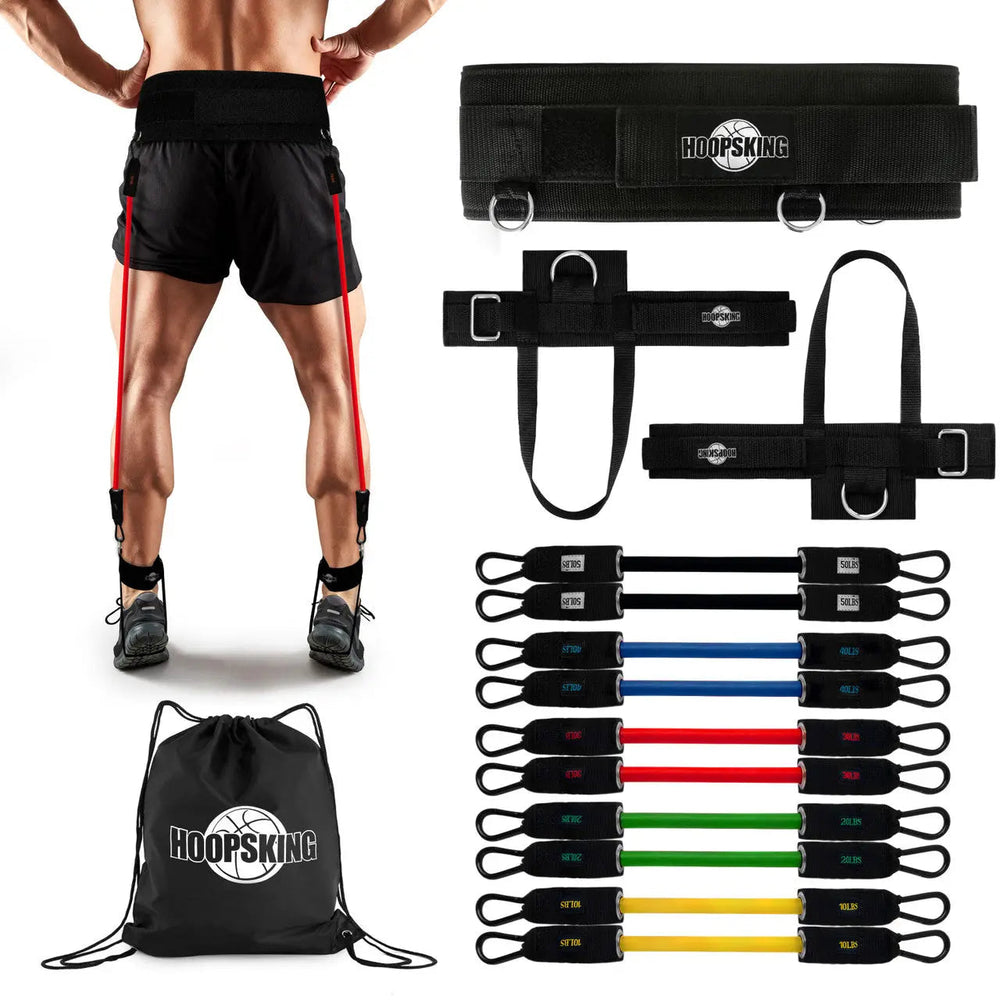
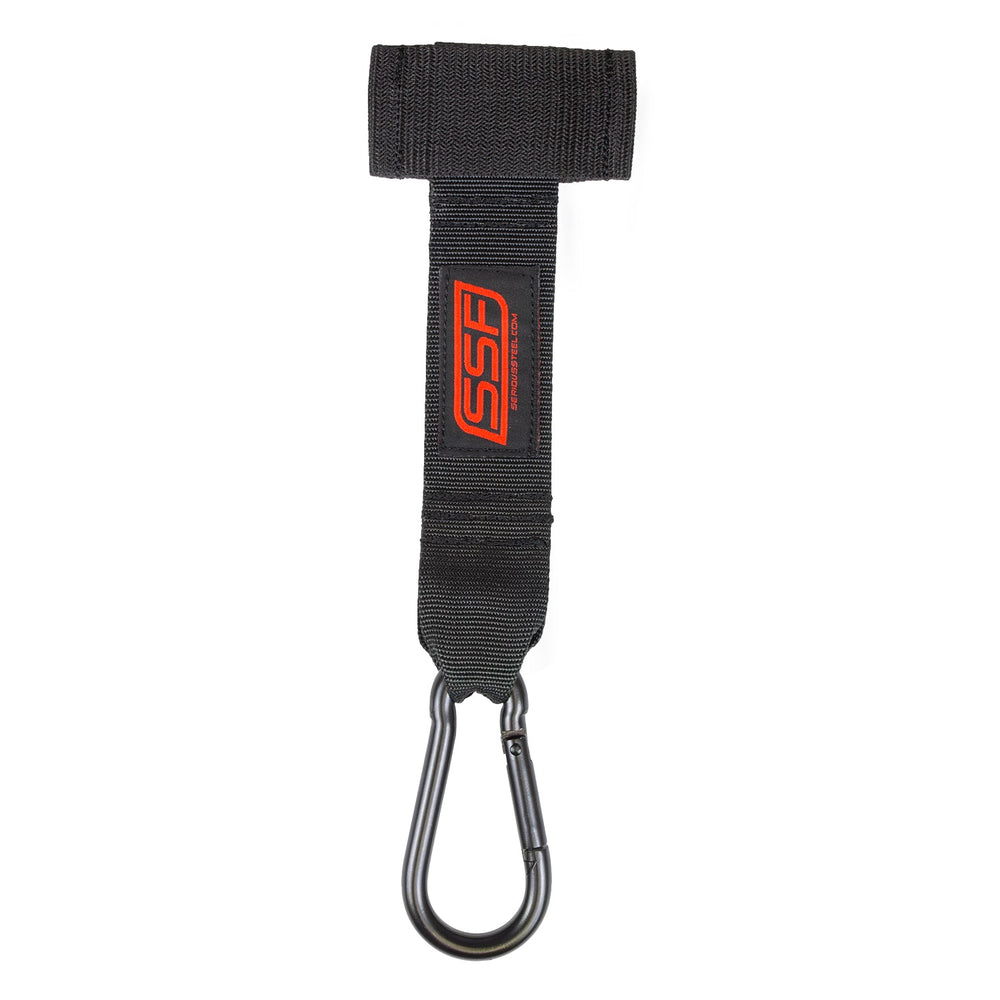
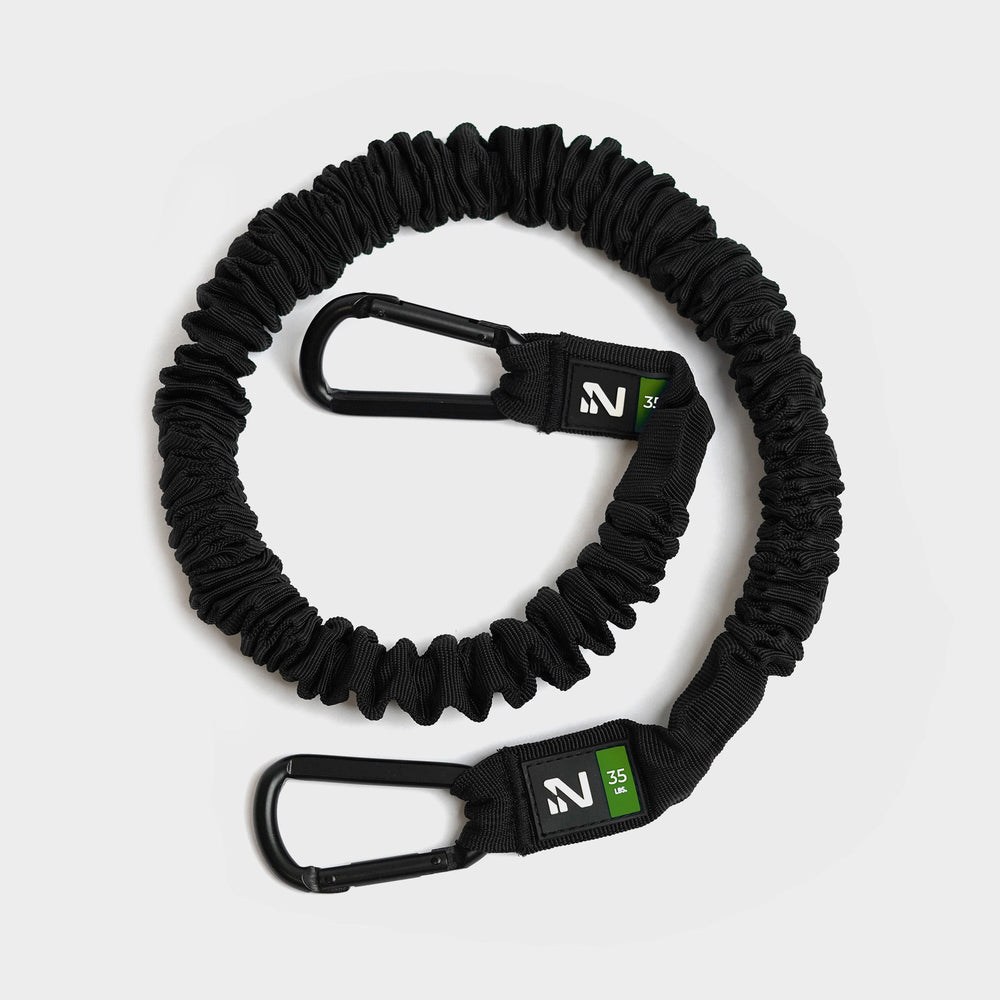
- Tube resistance bands — hollow tubes with handles for cable-style isolation work and travel workouts
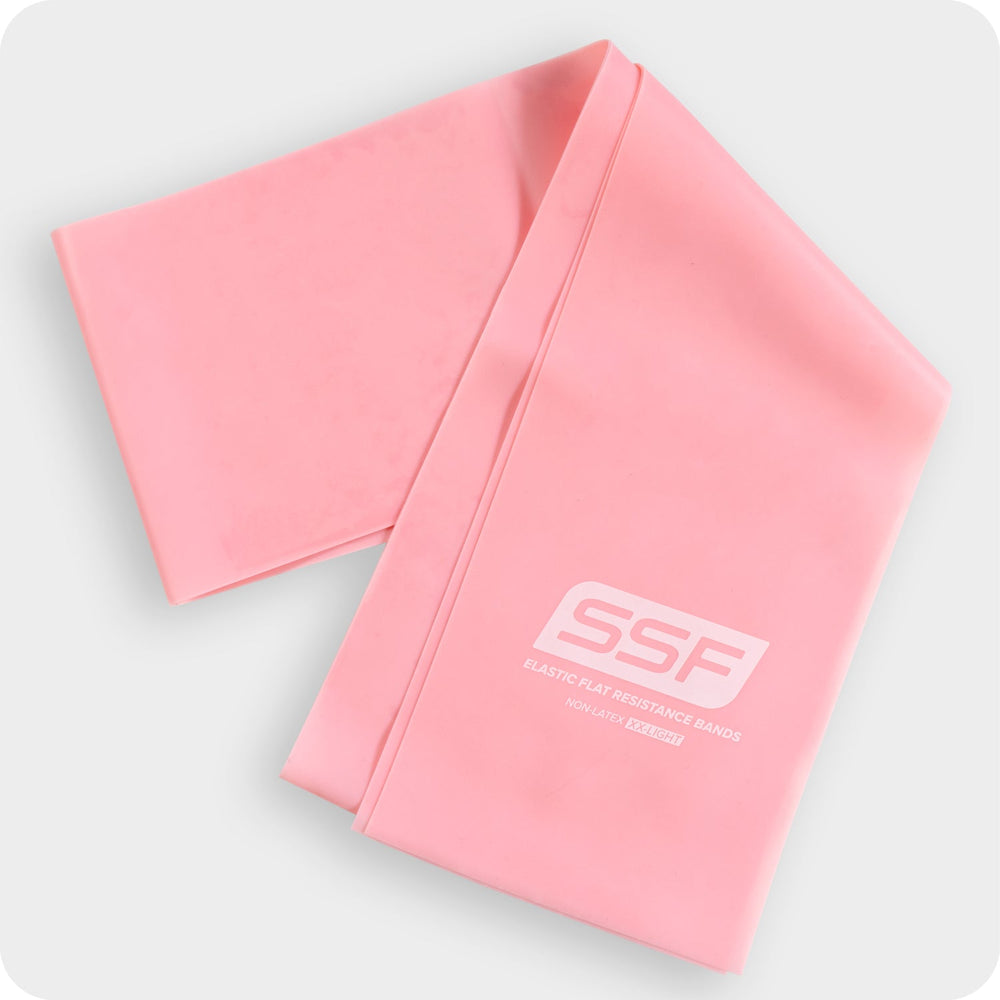
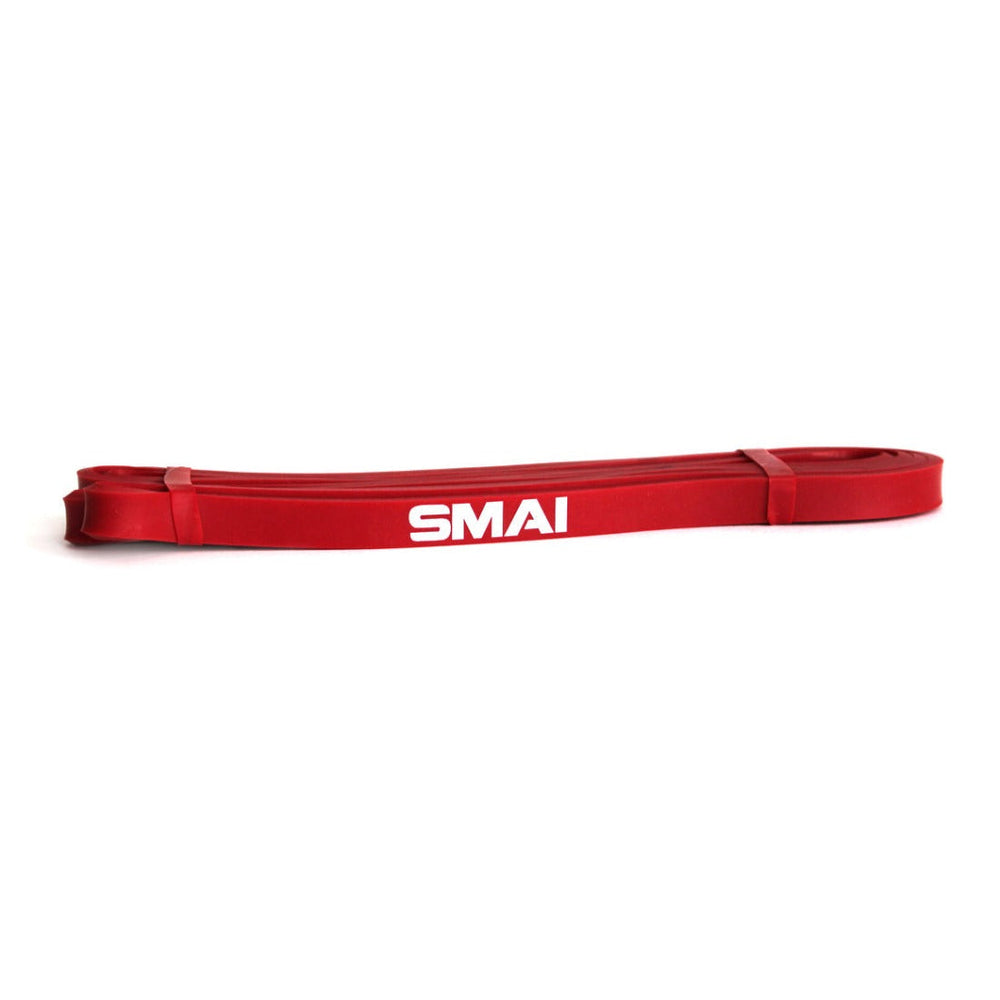
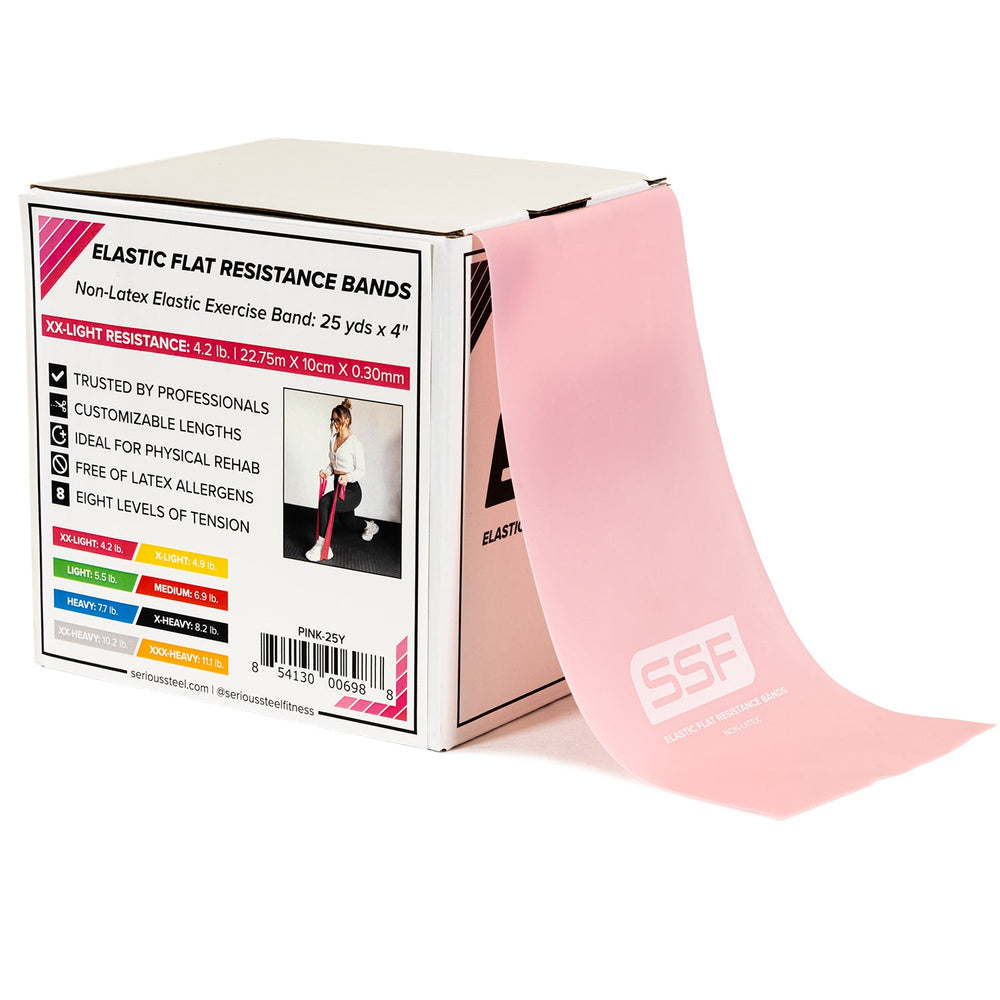
- Therapy resistance bands — flat latex bands for PT-style rehab, mobility work, and controlled joint movements
- Latex-free resistance bands — fabric, nylon, and certified latex-free bands for latex allergies and sensitive skin
Resistance Band Guides
- The Best Resistance Bands of 2026 (Tested & Reviewed)
- Types of Resistance Bands: Which Style Do You Need?
- Resistance Bands vs. Free Weights: Which Is Better?
- Best Resistance Band Exercises for Strength & Fat Loss
- 20 Resistance Band Exercises for Full-Body Workouts
- How to Choose Resistance Band Resistance Level
- Loop Bands vs. Tube Bands vs. Pull-Up Bands: Which Type Do You Need?
Which resistance band is right for you?
Not sure which resistance band is right for you? Here's the quick breakdown:
- Power Bands: Heavy-duty loop bands for pull-ups, strength training, and full-body workouts.
- Mini Bands: Best for glute activation, warm-ups, and lower-body stability work.
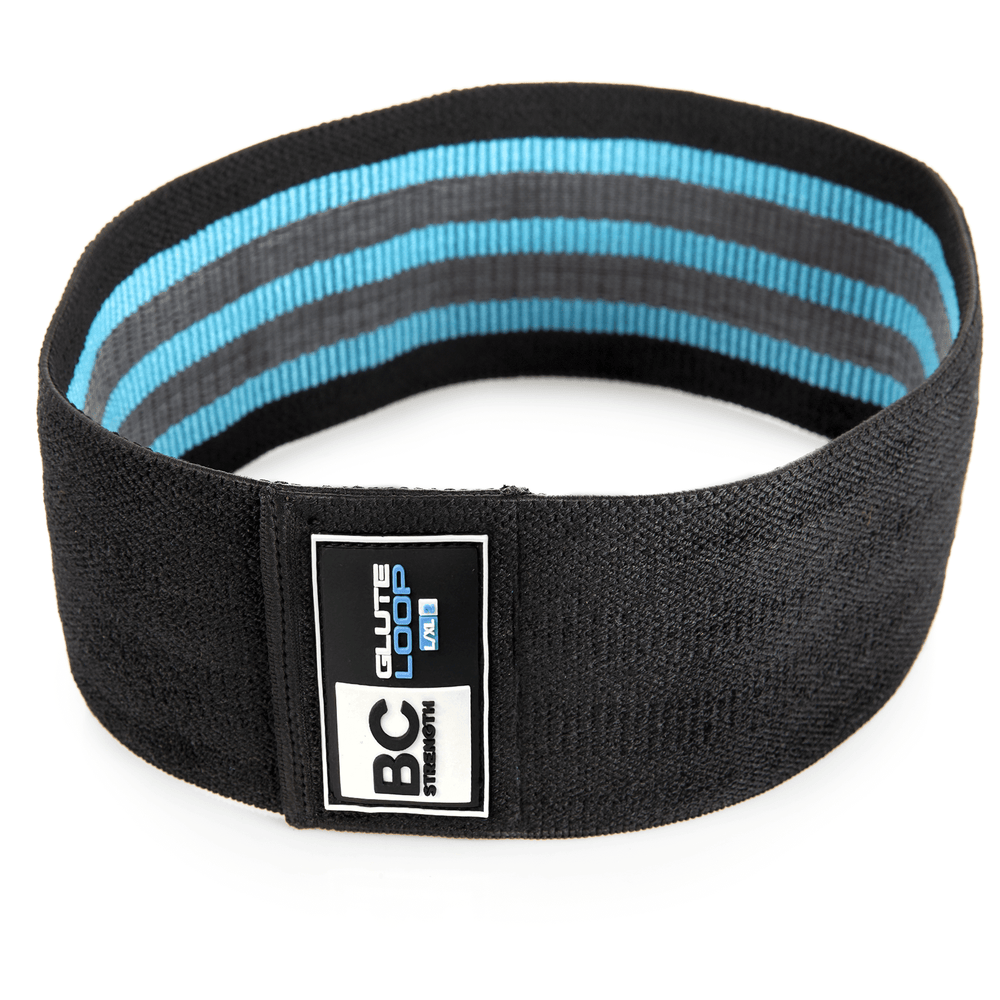
- Booty Bands: Comfortable fabric bands designed for glute and hip-focused exercises.
- Tube Bands: Handle-based bands that mimic dumbbell exercises and travel workouts.
- Therapy Bands: Lightweight flat bands for rehab, mobility, and recovery exercises.
| Band Type | Resistance | Best For | Durability | Skill | Portability |
|---|---|---|---|---|---|
| Loop Resistance Bands (Power Bands) | Light → Very Heavy | Strength training, pull-ups, barbell tension | High if quality | Beginner → Advanced | Excellent |
| Mini Resistance Bands | Light → Moderate | Glute activation, warm-ups, rehab | Moderate | Beginner → Intermediate | Excellent |
| Fabric Resistance Bands | Light → Moderate | Glutes, lower body, anti-roll comfort | Often High | Beginner → Intermediate | Excellent |
| Tube Bands with Handles | Very Light → Heavy | Travel workouts, rehab, door-anchor exercises | Varies | Beginner → Intermediate | Very Good |
| Therapy / Rehab Bands | Very Light → Moderate | PT, mobility, recovery work | Moderate | Rehab → Beginner | Excellent |
Learn More About Resistance Bands
Want smart, practical guidance on getting stronger at home with bands? Start with these quick reads from our blog.
View our resistance bands in use. All purchases receive never ending, free access to our workout app with Movement Library and Workout Generator.
Frequently Asked Questions
What are the different types of resistance bands and how do I choose the right one?
There are several types of resistance bands:
- Loop bands (for glutes, squats, and mobility)
- Tube bands with handles (great for full-body workouts)
- Flat therapy bands (used in rehab and stretching)
- Power or pull-up bands (long, thick loops for strength training or assisted pull-ups)
Choose based on your fitness goal—loop bands are great for toning, while power bands are better for muscle building and strength training.
What resistance levels do bands come in—and how are they measured?
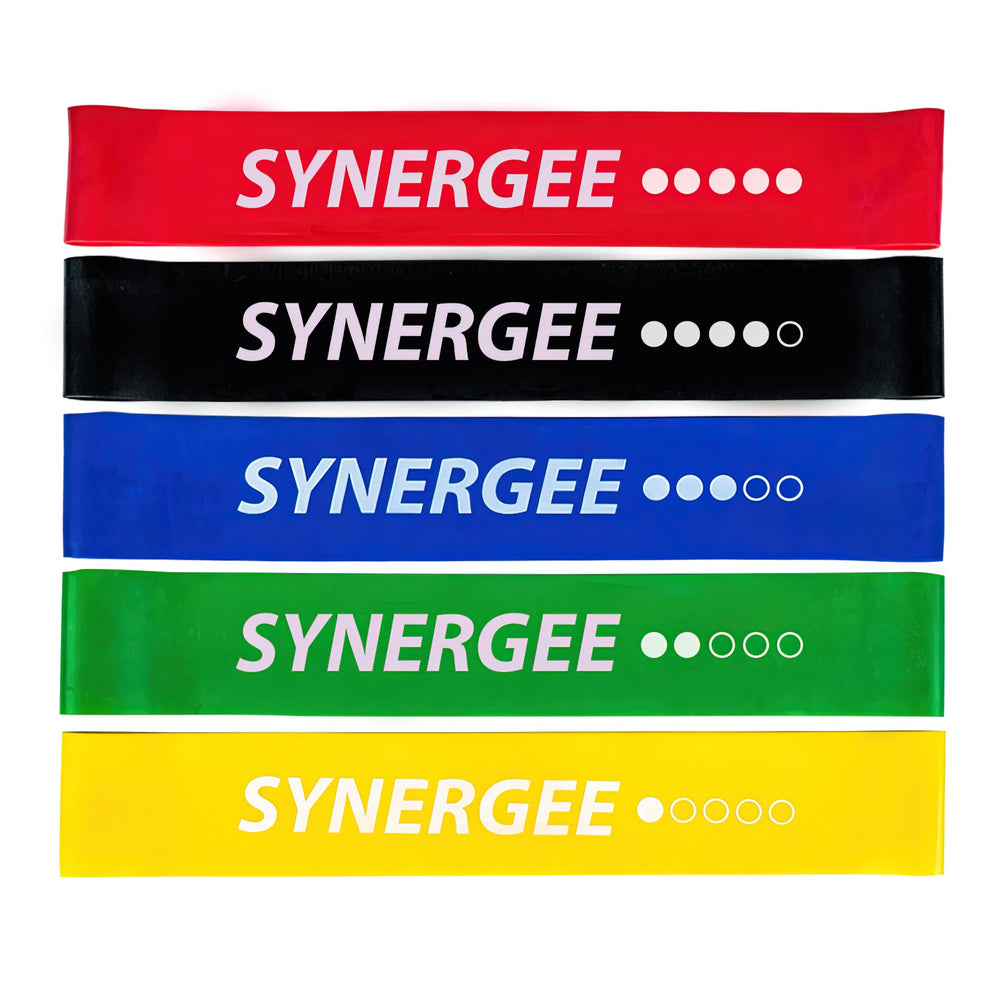
Resistance bands are usually color-coded and measured in pounds or kilograms of resistance. Always check the product specs—some brands vary in resistance per band size or color.
Can resistance bands build muscle like weights?
Yes. Bands provide progressive resistance, which activates muscle fibers similarly to free weights. When used consistently and with proper form, they can build strength and muscle—especially for beginners, travel workouts, or rehab.
How long do resistance bands last, and how can I make them last longer?
High-quality bands can last 1–2 years or longer with proper care. Avoid overstretching (beyond 2x their length), exposure to heat or sun, and sharp surfaces. Clean them with mild soap and dry them flat to preserve elasticity.
Are resistance bands good for physical therapy or injury recovery?
Yes. Physical therapists often recommend bands because they allow low-impact, controlled movement. Flat bands and light resistance loops are especially good for shoulder, knee, or hip rehab exercises.
How do I use resistance bands for a full-body workout?
You can train all major muscle groups with bands. For example:
Legs: squats, glute bridges, lunges
Arms: bicep curls, shoulder presses, chest flysCore: Russian twists, resisted crunches
Workout programs or video demos can help guide proper technique.
What’s the difference between latex and fabric resistance bands?
- Latex bands offer more stretch and range—great for dynamic movement.
- Fabric bands are thicker, more durable, and often used for lower-body exercises because they don’t roll up or pinch.
Can resistance bands replace free weights or gym equipment?
They can substitute for weights in many exercises and are especially useful when traveling or for at-home workouts. While they may not replace barbells for heavy lifts, they are excellent for maintaining strength, mobility, and flexibility.
How do I anchor resistance bands safely?
Use door anchors, heavy furniture, or designated wall-mounted anchors. Always test the anchor point for security before applying tension to prevent snapping or injury.
Are resistance bands safe for beginners?
Yes, they're one of the safest tools for beginners. Start with light resistance and focus on form. Bands provide joint-friendly resistance and minimize the risk of dropping weight on yourself.
No questions match your search.