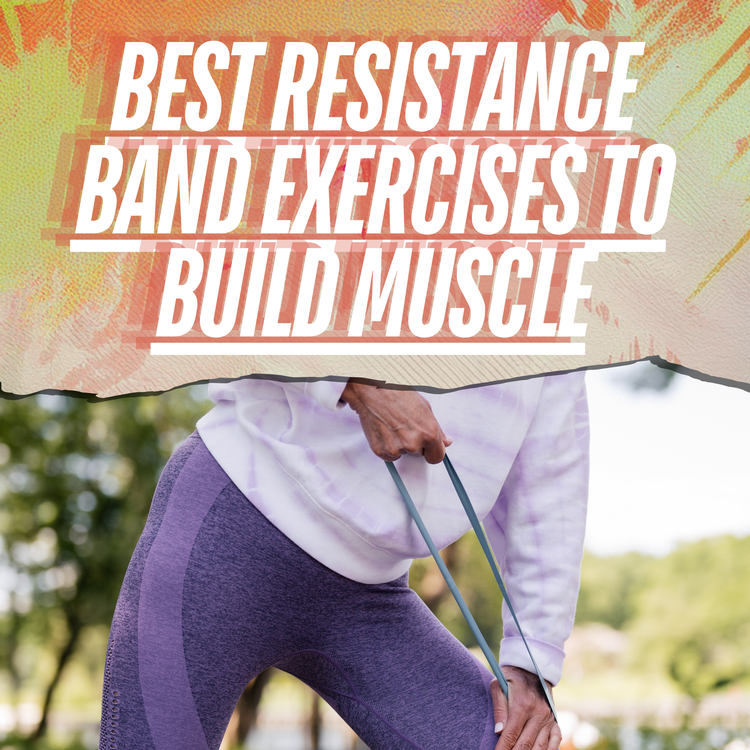
Build Muscle with Resistance Bands
⏱️ Estimated Read Time: 7 minutes
🧠 TL;DR
- What intermittent fasting actually does physiologically
- The most common IF protocols and how they differ
- How IF interacts with strength training
- Who benefits most and who should be cautious
What Is Intermittent Fasting?
Intermittent fasting (IF) is an eating pattern that cycles between periods of eating and fasting. It's not a diet in the traditional sense — it doesn't prescribe what to eat, only when to eat. The primary mechanism driving its effects is caloric restriction: most people naturally eat fewer calories when their eating window is compressed.
IF has legitimate evidence behind it for weight loss, metabolic health, and for some people, improved relationship with food. It also has genuine limitations that are frequently glossed over by advocates.
Common IF Protocols
16:8 (Leangains)
Fast for 16 hours, eat within an 8-hour window. The most practical protocol for most people. Typically means skipping breakfast and eating from noon to 8pm (or similar). Popularized by Martin Berkhan's Leangains methodology, which paired it specifically with strength training.
5:2
Eat normally for 5 days; restrict calories to ~500–600 on 2 non-consecutive days per week. The caloric deficit is intermittent rather than daily. More challenging psychologically on low-calorie days but normal eating otherwise.
OMAD (One Meal a Day)
All daily calories consumed in one meal within a 1–2 hour window. Extreme caloric compression. Difficult to consume adequate protein and micronutrients in a single meal. Carries higher muscle loss risk for active people.
Eat Stop Eat
24-hour fasts once or twice per week. Full day fasts are psychologically demanding. The large weekly caloric deficit is the mechanism; eating normally the other days prevents the chronic restriction that drives rebound.
Physiological Effects of Fasting
- Insulin sensitivity: Fasted states lower insulin levels. Over time, IF may improve insulin sensitivity in individuals with insulin resistance.
- Fat oxidation: In the absence of dietary carbohydrates and in depleted glycogen states, the body increases fat oxidation. This doesn't mean more fat is lost over 24 hours than with equivalent caloric restriction through other means.
- Growth hormone: GH secretion increases during fasting. The practical muscle-building significance is modest.
- Autophagy: Cellular cleanup process that increases during fasting. The health implications are studied; the practical benefits for athletes are not well-quantified.
IF and Strength Training
The evidence on IF and muscle mass is nuanced:
- IF is not uniquely harmful to muscle retention when protein intake is adequate (0.7–1.0g/lb bodyweight) and training is consistent
- Training fasted is manageable for moderate-intensity sessions; high-intensity sessions (heavy lifting, sprint intervals) may be suboptimal fasted for some people
- Post-workout protein timing matters more if you've been fasted: getting protein within 1–2 hours of training is more urgent when you haven't eaten pre-workout
- Total daily protein trumps timing: if you hit your protein target within your eating window, IF doesn't meaningfully compromise muscle building
Who Benefits from IF
- People who prefer not to eat breakfast and naturally delay their first meal
- People who struggle with portion control throughout the day but eat reasonable quantities in compressed windows
- People with improved adherence when given a simple rule ("don't eat before noon")
Who Should Be Cautious
- Athletes in high-volume training phases who struggle to consume adequate calories in a restricted window
- People with a history of disordered eating
- People who become excessively hungry and compensate by overeating in the eating window
- People whose morning training sessions suffer significantly when fasted
See our protein collection for support in hitting protein targets within any eating protocol.
Want more guidance? Check out our free workout app.
FAQs: Intermittent Fasting
Does intermittent fasting work for weight loss? +
Yes, primarily through reduced caloric intake. It's not metabolically superior to continuous caloric restriction at the same caloric level.
Will IF cause muscle loss? +
Not when protein intake is adequate and training is maintained. The risk increases with very restrictive windows that make protein targets difficult to hit.
Can beginners do these routines? +
Yes! These movements are designed to scale with your fitness level.